Britain’s AI ambitions hit by science department split
Britain’s AI ambitions have taken a hit after Prime Minister Andy Burnburn dissolved the Department for Science, Innovation and Technology (DSIT) on his first full day in office, scattering its functions across several ministries.
New departmental layout spreads AI responsibilities
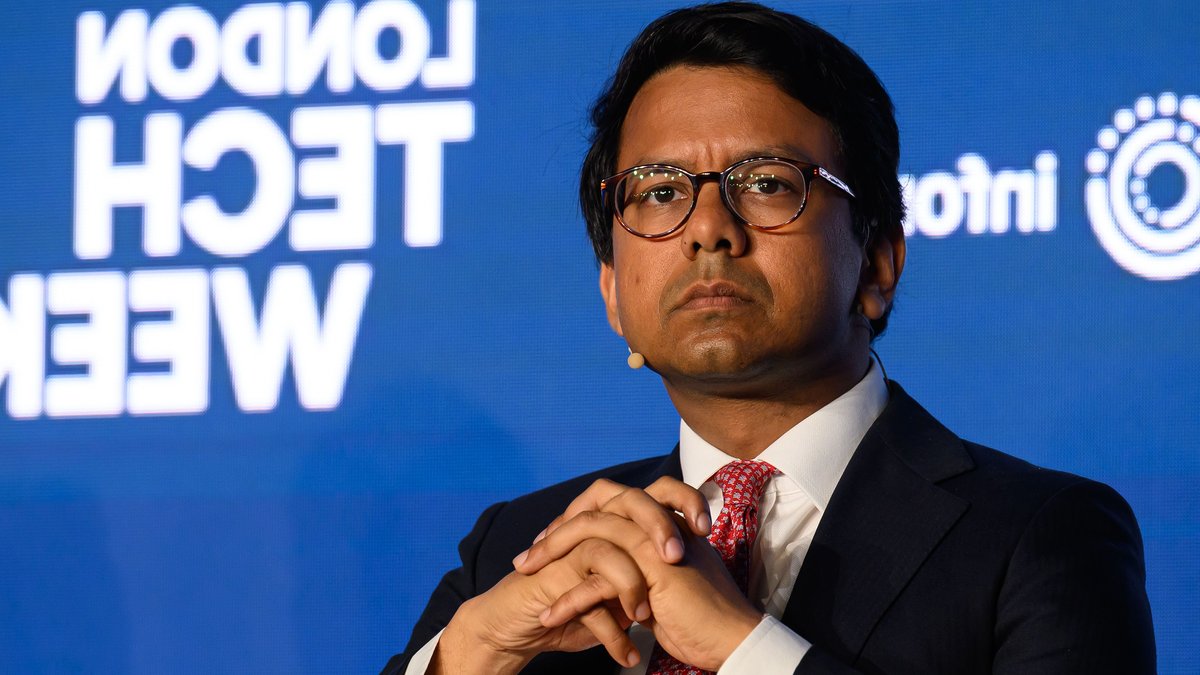
The reorganization places the Cabinet Office in charge of artificial intelligence, with Kanishka Narayan appointed as minister for AI at the minister‑of‑state level. Digital transformation, inclusion and skills, information resilience and online harms now sit under the Department for Culture, Media and Sport. Meanwhile, a newly formed Department for Business, Innovation, Science and Trade assumes responsibility for science and innovation.
Official statements describe the move as an effort to align the government’s “core economic and social agenda” with “vital engines of growth” where they can have the most direct impact. The narrative suggests that AI cannot be treated as a separate policy area and must be integrated across all branches of government.
Critics argue the shift will dilute focus on AI and hamper coordinated policy development. Lord Vaizey of Didcot, speaking on LinkedIn, warned that AI policy is now spread across four different ministers, making it unclear which official foreign partners should approach.
Related: How to Start Freelancing in 2026 and Actually Make It Work
Industry reaction highlights concerns over coherence
Senior figures in the tech sector have voiced strong opposition. TechUK and the Startup Coalition jointly cautioned the Prime Minister that the breakup could slow the UK’s momentum and weaken its leadership in technology.
These comments reflect a broader unease that the new structure may create administrative friction. The department bears a lengthy title that some see as an indication of diluted focus.
In practice, the scattering of responsibilities could mean that external partners face uncertainty when seeking collaboration. A simple inquiry to Whitehall about science policy might now receive a response that depends on how the question is phrased, complicating engagement for foreign governments and private firms alike.
For the UK to remain competitive, coordination among ministries will need to be swift and clear, something that past experience suggests is difficult without a dedicated department.
Related: Indonesia unveils tax breaks for finance hub
From a practical standpoint, the restructuring may force AI teams to manage multiple bureaucratic channels for funding, regulation, and talent development. This could slow project timelines and make it harder for startups to secure the support they need, potentially driving talent overseas where policy environments are more predictable.
Historical context and comparison with other nations
Observers note that the UK’s decision runs counter to a trend of consolidating scientific oversight. While the intention to embed AI across all sectors may have theoretical appeal, the practical challenges of aligning disparate ministries under a single minister without a dedicated department could undermine the very growth the government seeks to promote.
In the coming months, the effectiveness of this reorganization will be measured by how quickly the Cabinet Office can establish cohesive AI policies and whether the newly formed departments can maintain momentum on research and innovation. For now, the consensus among industry leaders is that the breakup represents a setback for Britain’s AI ambitions.
Related Stories
 Venture Capital Watch
Britain’s AI ambitions hit by science department split
 Venture Capital Watch
Why the Jaecoo 8 SHS‑P Redefines Premium SUV Value with Luxury and Efficiency
 Venture Capital Watch
Tour de France has vast untapped potential
 Venture Capital Watch