Burnham says he knows Healey’s £9bn demand
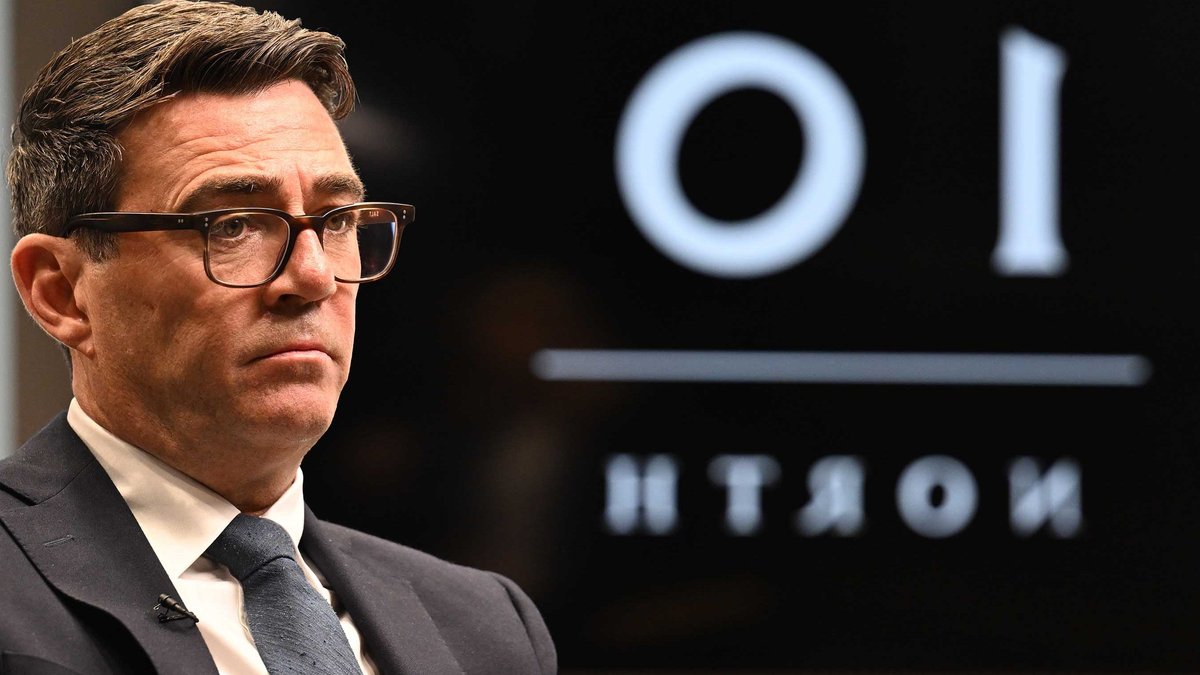
Manchester mayor Andy Burnham told the outlet he was “very aware” that John Healey has asked for at least £9 billion more each year for defence, a demand that was part of the rationale for appointing the former Treasury chief as Chancellor.
Burnham’s stance on the defence spending target
In the interview, he said his first priority would be to see Sir Keir Starmer’s Defence Investment Plan fully funded. He added that he is “absolutely committed to what we’ve promised our NATO partners.” When pressed about Healey’s specific call to lift defence spending to three percent of GDP by 2030, Burnham stopped short of promising an immediate increase.
“I appointed my new Chancellor [while] very aware of what he had said about the importance of defence spending,” he said. “I am absolutely committed to what we’ve promised our NATO partners, and that is my commitment.” The prime minister’s wording left the exact timing of any budget boost unclear.
Political fallout and fiscal challenges
Healey resigned after failing to secure additional funding for the Defence Investment Plan, accusing former leaders of being “unwilling” and “unable” to give the armed forces a substantial cash injection. He argued that reaching the three‑percent target would require an extra £9 billion a year, a figure that would significantly reshape the national security budget.
Related: Why the Jaecoo 8 SHS‑P Redefines Premium SUV Value with Luxury and Efficiency
Burnham now faces a series of financial pressures beyond defence. He has pledged energy price cuts, an end to rough sleeping, and must honour a doctors’ pay settlement. A shortfall of £4.7 billion in the Defence Investment Plan over four years also sits on his desk.
Adding to the strain, the latest energy price shock has pushed up bond yields and slowed UK growth, tightening public finances ahead of the upcoming budget. Analysts note that any further spending announcements, such as devolution reforms or social‑care initiatives, could exacerbate the fiscal gap.
One possible avenue being explored is granting mayors greater control over local tax receipts, a proposal reported by a national newspaper. While this would not extend to new devolved tax powers beyond existing overnight‑stay levies, researchers at Oxford Economics suggest that allowing mayors to retain revenue could be more feasible than giving councils full levy‑raising authority. Their report warned that redistributing spending might actually dampen growth, as cities could see lower returns on investment compared with keeping cash centrally.
Economists argue that extensive fiscal devolution, including the ability to raise taxes or issue debt, could offer the most meaningful route to long‑term growth, giving local leaders both the means and incentive to pursue reforms that boost productivity.
Related: Top US prosecutor accepts Adani case drop
If the government chooses to fund the extra spending through higher taxes or reallocated budgets, households could feel tighter purse strings, especially in regions already grappling with cost‑of‑living pressures.
Burnham also ruled out an early general election, stating, “There’s no early general election. I don’t think people want it.” This signals a desire to avoid a political reset while he balances the competing demands of defence, social care, and devolution.
Future announcements are expected on youth employment, the NEET population, and social‑care policy, with speculation that free‑at‑the‑point‑of‑use care could cost £18.5 billion annually. All of these initiatives will need to be balanced against the looming request for the additional defence funding.


