Bank of America CEO Calls $250M GLP-1 Investment a Smart Move
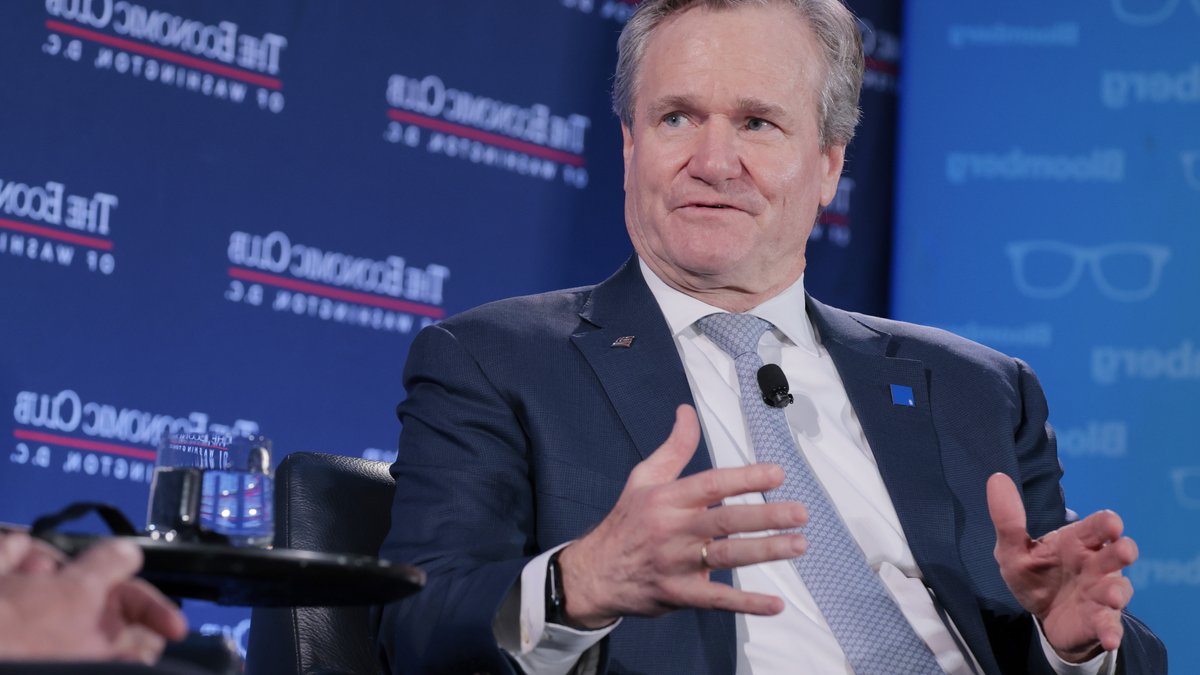
Bank of America CEO Brian Moynihan disclosed that the Charlotte-based bank spends roughly $250 million annually on GLP-1 weight loss medications for its workforce, a significant increase from zero five years ago. Speaking with CNBC on Wednesday, Moynihan stated that the company now covers drugs like Novo Nordisk’s Ozempic and Wegovy and Eli Lilly’s Zepbound, which have become some of the most sought-after prescription treatments in the United States for obesity and diabetes.
The Cost of Employee Health
Bank of America allocates more than $2 billion each year for healthcare benefits covering its approximately 211,000 employees. According to figures shared by Moynihan, GLP-1 medications now account for roughly 13% of the company’s total healthcare spending, a share that highlights the rapid rise in demand for these treatments. The CEO told CNBC’s Andrew Ross Sorkin that he sees a “great impact on the employees.”
The financial commitment is substantial. A single monthly dose of Zepbound can cost thousands of dollars annually, yet the bank has combined coverage for these medications with health coaching programs. These programs aim to help employees manage weight loss, improve nutrition, and make long-term lifestyle changes. Moynihan said the strategy is already producing measurable results among workers, describing it as a way to provide meaningful benefits while improving workforce health.
Employers across corporate America have wrestled with whether to continue covering weight loss drugs as utilization has surged. Some companies and public employers have eliminated coverage for obesity treatment or imposed stricter eligibility requirements due to the high cost per patient. Bank of America has taken a different approach. Rather than limiting access, the bank is betting that healthier employees will lead to lower long-term healthcare costs. It is a gamble that not every employee who benefits from the medications will remain at the bank long enough for the company to fully realize those savings.
Related: BP sells green unit as profits soar
Broader Industry Trends
Moynihan acknowledged that reality, noting that some teammates may leave after losing weight. Even so, he described the investment as part of a broader effort to keep the workforce healthy. The CEO also pointed to emerging research suggesting that GLP-1 drugs may provide benefits beyond weight reduction. Recent clinical studies have linked the medications to lower rates of cardiovascular events and other obesity-related complications, potentially reducing healthcare costs sooner than previously expected.
The bank’s strategy reflects a broader debate playing out among U.S. employers. According to a July survey by the International Foundation of Employee Benefit Plans, 36% of employers now provide coverage for GLP-1 medications for both diabetes and weight loss. That figure is slightly higher than the 34% reported in 2024 but remains unchanged from 2025, suggesting many organizations continue to weigh the financial burden against the potential health benefits.
The surge in demand for these treatments has prompted comparisons to Americans’ desire to curb power among tech giants, as both weight loss drugs and Big Tech have become dominant cultural and economic forces. The industry is closely watching how these trends evolve.


