Best Metal Lubricant and Best Penetrating Fluid Considerations for Maintenance
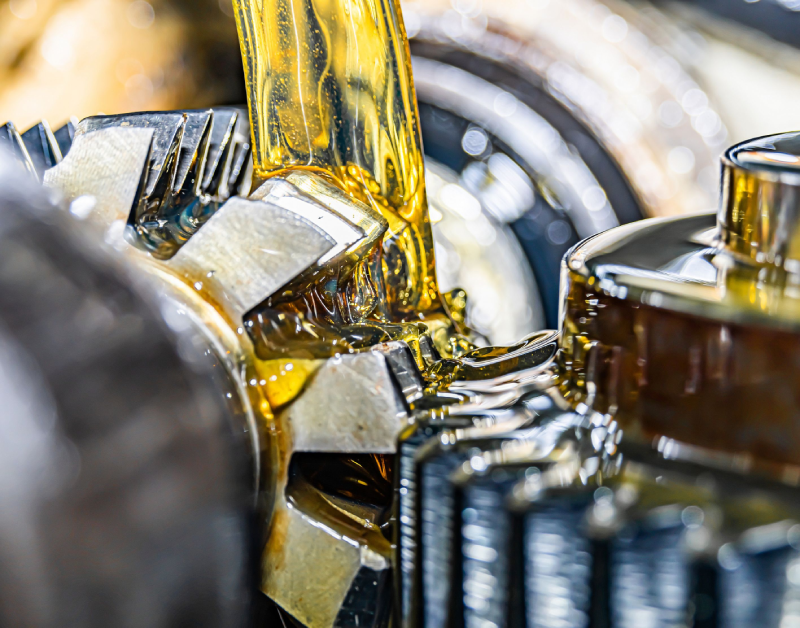
Many people assume that any slippery liquid in an aerosol can will effectively solve a mechanical problem. If a hinge squeaks or a bolt refuses to turn, the common reaction is to reach for whichever product is nearest on the shelf. This oversimplification often leads to frustration, as the wrong product applied to the wrong mechanism can actually attract dust, wash away necessary factory grease, or fail to address the underlying cause of the friction. The reality of mechanical maintenance is far more nuanced, requiring a clear distinction between agents designed for lubrication and those engineered for liberation.
When to Distinguish Between Lubrication and Penetration
A frequent point of confusion involves treating all spray-on products as multipurpose. While some formulations attempt to bridge the gap, they typically perform one task significantly better than the other. Understanding the mechanical mechanism at play—whether you are trying to prevent movement-based wear or force a seized component to break free—is the most reliable way to select the right tool for the job.
Lubricants are generally designed to stay in place, creating a thin, durable film between two moving surfaces. They reduce friction, minimize heat, and prevent oxidation by sealing out moisture. Penetrating fluids, by contrast, are formulated with high capillary action and low viscosity. Their primary purpose is to migrate deep into microscopic gaps, dissolve rust or corrosion, and chemically soften the bonds that hold stuck parts together.
Using a penetrating fluid where a lubricant is required is often counterproductive. Because penetrating agents are designed to flow easily, they quickly evaporate or drip away, leaving behind no lasting protective barrier. Conversely, using a heavy lubricant on a seized, rusted bolt often results in the product sitting on the surface rather than reaching the threads where it is needed most.
Characteristics of an Effective Best Penetrating Fluid
When a fastener has been exposed to the elements or high-temperature cycles for long periods, it often develops a layer of corrosion that acts like a mechanical lock. A high-quality penetrating fluid works through a series of physical and chemical interactions.
Mechanism of Action in Seized Assemblies
The most effective fluids in this category possess a low surface tension, allowing them to travel against gravity if necessary to reach the base of a threaded connection. Once inside the threads, these fluids may contain additives that help break the grip of oxidized iron or metallic salts.
When evaluating a potential product, consider how it interacts with the buildup you are facing:
- Capillary action: Does the fluid appear to draw itself into tight spaces?
- Volatility: Some fluids include fast-acting solvents that evaporate to cool the metal, potentially causing slight contraction that can help crack the bond of rust.
- Surface tension reduction: The ability of the fluid to spread over a surface rather than beading up is crucial for complete coverage.
If you are working on a particularly difficult assembly, the best approach is often to apply the fluid and allow it time to migrate. Many professional technicians recommend applying the agent and waiting for a period, sometimes repeating the application to ensure deep saturation before applying torque.
Characteristics of an Best Metal Lubricant for Long-Term Protection
While a penetrating fluid is a temporary agent for disassembly, a metal lubricant serves as a long-term guardian of the mechanism. The selection of an appropriate lubricant depends heavily on the operating environment.
Managing Friction in Moving Parts
In environments where dust or debris is common, a heavy, sticky grease might collect particles and create an abrasive paste, leading to increased wear. In such cases, a “dry” lubricant or a light, non-attracting oil is often superior. For internal components protected from the elements, thicker, high-viscosity lubricants are generally better suited for sustaining heavy loads and preventing metal-to-metal contact over time.
When selecting a lubricant for household or shop use, keep these considerations in mind:
- Load-bearing capacity: Does the part carry significant weight or pressure?
- Environmental exposure: Is the part subject to outdoor conditions, extreme temperatures, or frequent wash-downs?
- Material compatibility: Is the product safe for rubber seals, plastic housings, or sensitive electrical contacts that may be nearby?
In many cases, the most effective maintenance strategy involves cleaning the old, contaminated residue off a part before applying a fresh layer of lubricant. Applying new lubricant over dirt or dried, degraded material merely traps the contaminants inside the mechanism, accelerating further wear.
How to Assess Mechanical Needs in Practice
Reframing how you approach mechanical maintenance starts with asking what the specific part requires at this moment. Is the goal to restore motion to a frozen assembly, or is the goal to ensure smooth, quiet operation of an assembly that is already moving?
If you are dealing with a seized fastener, your strategy should prioritize infiltration. Look for information about the fluid’s ability to displace moisture and soften corrosion. If you are dealing with a squeaky hinge, a sliding track, or a gear mechanism, your strategy should prioritize film strength and durability.
A thoughtful reader should also consider the following:
1. Preparation: Can you brush away loose rust or debris before application?
2. Saturation: Have you allowed enough time for the product to do its work?
3. Removal: Does the manufacturer suggest wiping away excess product, or should it be left as a protective seal?
4. Consistency: Are you tracking which products work well for your specific equipment over the long term?
Rather than assuming that one bottle can solve every mechanical challenge, the more reliable approach is to build a small kit containing distinct products for distinct purposes. By keeping a high-performance penetrating agent for structural stubbornness and a high-quality, long-lasting lubricant for operational performance, you ensure that you are always equipped to address the specific physical nature of the friction or seizure you encounter.
Ultimately, the most successful maintenance is proactive rather than reactive. By regularly checking moving parts and applying the correct best metal lubricant before friction becomes noticeable, you can prevent many of the issues that later require the use of a best penetrating fluid. This shift in mindset—from “fixing” to “maintaining”—tends to be the most effective way to extend the lifespan of mechanical components and save time on future repairs.


