US and China race to put AI in space
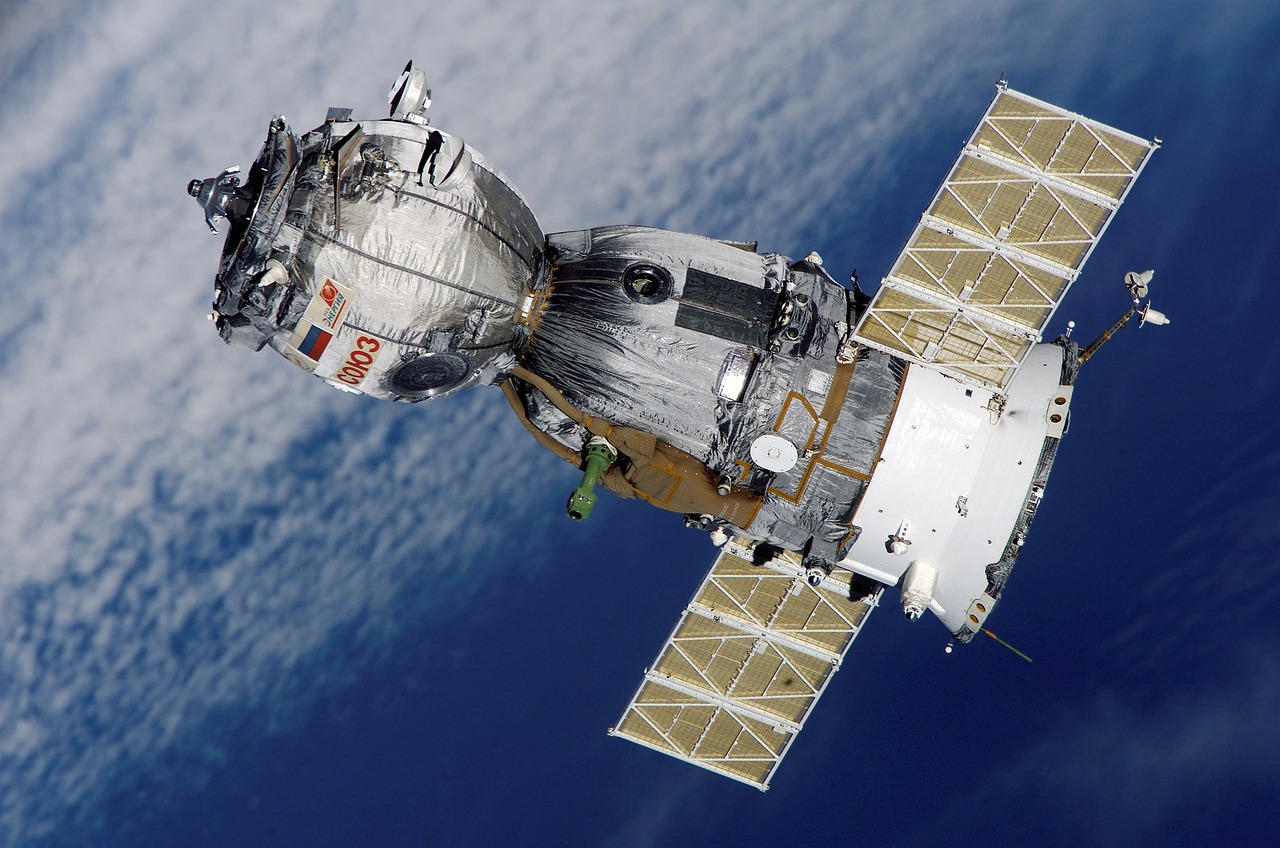
Elon Musk’s proposal to deploy up to one million data-center satellites has positioned space computing as a key front in the U.S.-China technology competition. Announced earlier in 2026, the plan seeks to move AI infrastructure into space to avoid Earth’s limitations on land, electricity, and water. While investors showed enthusiasm, doubts persist about whether the concept can succeed.
China acted swiftly in response. In June, Beijing approved its first space computing innovation center, bringing together rocket manufacturers, semiconductor firms, and AI companies to develop orbital networks. This effort aligns with a broader strategy as both countries view space as essential for next-generation computing amid rising AI demand.
Related: Surbana Jurong CEO to step down
Satellites have long served as data collectors, transmitting raw information to Earth. Recent AI advancements now allow processing to occur in orbit, sending only refined results. Supporters claim this could reduce the burden on terrestrial data centers, which consume significant energy and water. Orbital networks might instead use solar or nuclear power, with satellites connected by lasers.
However, experts caution that the field remains experimental. “The technology is still in its early stages,” said Svetla Ben-Itzhak, an assistant professor at Johns Hopkins University. “No one has proven it can be economically sustainable.”
Related: UK PM Starmer faces calls to step aside
National security concerns are already shaping the debate. Clayton Swope of the Center for Strategic and International Studies explained that faster processing of Earth observation data could improve military intelligence and targeting. Ben-Itzhak added that nations controlling space-based computing infrastructure might gain greater control over global information flows.
Cost remains the largest obstacle. A Wood Mackenzie report found that a space-based data center would be three times more expensive than a ground-based one. A one-gigawatt orbital facility would cost approximately $170 billion, with $100 billion allocated for launch expenses. To become competitive, launch costs must fall by 70%. SpaceX’s Starship program, with its reusable rockets, could make this possible.
Related: What are the different types of cuts of lab grown diamonds?
Engineering hurdles are significant. Satellites in orbit cannot be easily upgraded or repaired, and the space environment—radiation, extreme temperatures—requires durable systems. Cooling, which relies on Earth’s atmosphere, must be redesigned for the vacuum of space. Other concerns include orbital congestion and light pollution.
Swope emphasized that the real challenge is whether the technology can deliver practical benefits. “The issue isn’t technical feasibility,” he said. “It’s whether customers will find it worth paying for.” For now, the competition continues, though the outcome remains uncertain.


