The Growing Popularity of Wellness-Oriented Residential Developments
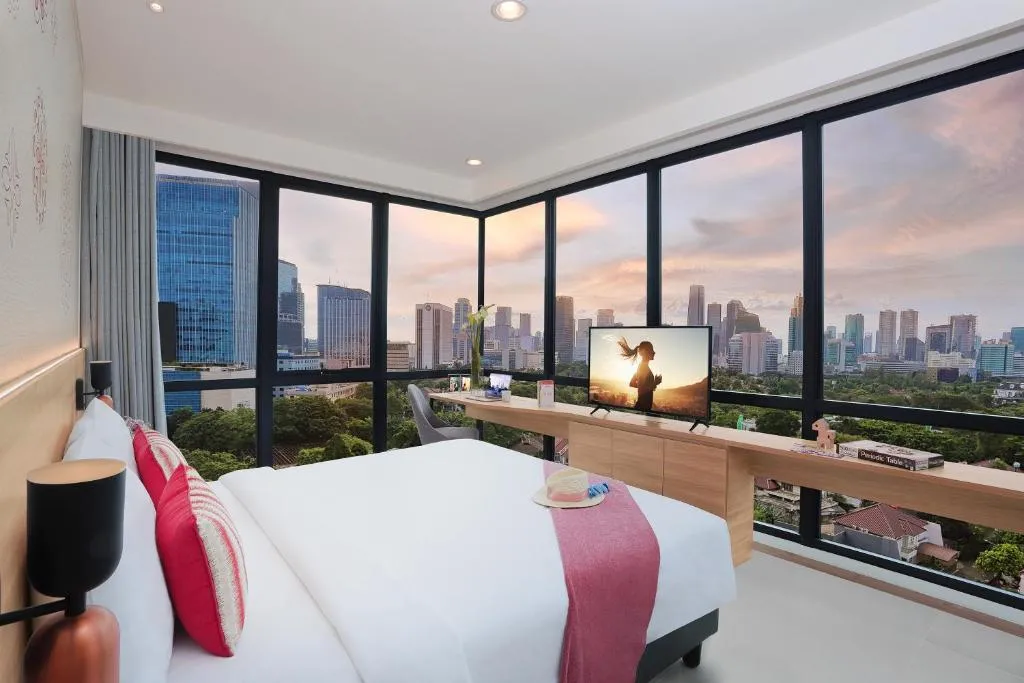
Wellness has become an increasingly important consideration in residential design as Singapore homebuyers place greater emphasis on healthy routines and everyday comfort. A wellness-oriented development goes beyond providing attractive homes by creating spaces that encourage exercise, relaxation, access to greenery, and healthier habits. This approach recognises that the residential environment can influence how people spend their time outside work and other responsibilities. For buyers, understanding these features can help identify developments that support a balanced lifestyle without requiring residents to travel far for wellness activities.
Making Exercise More Accessible
Convenient access to fitness facilities can encourage residents to include physical activity in their routines. Gyms, swimming pools, jogging paths, outdoor exercise stations, and multipurpose sports areas provide different ways to stay active.
The main advantage is accessibility. Residents can exercise before work, after returning home, or during weekends without travelling to a separate facility. This can be particularly useful for busy professionals and families who may struggle to dedicate time to activities located farther away. A range of options also allows residents to choose activities that suit their interests and abilities.
Creating Spaces for Mental Relaxation
Wellness is not limited to physical fitness. Quiet gardens, landscaped seating areas, water features, and sheltered outdoor spaces can provide residents with places to relax and step away from busy routines.
These spaces can be useful after a demanding workday or during periods when residents simply want a change of environment. Thoughtful design can create areas that feel calm without requiring extensive space. The ability to access a peaceful outdoor setting close to home can add an important dimension to residential comfort.
Integrating Greenery Into Daily Living
Green spaces are a common feature of wellness-focused residential developments. Trees, gardens, landscaped pathways, and planted areas can create a stronger connection with nature within an urban setting.
Greenery can also make outdoor spaces more attractive and encourage residents to spend time outside. Developments such as The Serra Residences demonstrate how landscaping and residential amenities can work together to create environments designed around everyday enjoyment and well-being.
Designing Facilities for Different Lifestyles
Residents have different wellness preferences, so flexibility is important. Some may prefer strength training, while others enjoy swimming, walking, stretching, or quieter outdoor activities.
A well-planned development can offer a variety of spaces rather than focusing on one form of exercise. This makes facilities more useful for different age groups and household types. Flexible communal areas can also be adapted for activities such as yoga, group classes, or family recreation.
Supporting Healthier Family Routines
Wellness-oriented environments can benefit households by making healthy activities easier to share. Families may use pools, gardens, playgrounds, walking paths, or outdoor areas together.
Children can develop active habits through regular outdoor play, while parents can participate in exercise or recreational activities nearby. Having these options within the development can reduce reliance on organised activities that require additional travel and scheduling.
Encouraging Better Everyday Habits
Residential design can subtly influence behaviour. Attractive stairways, walking paths, open spaces, bicycle facilities, and accessible recreational areas can encourage residents to move more throughout the day.
These small design choices can complement formal fitness facilities. A development does not need to rely entirely on a gym to promote an active lifestyle. Creating an environment where walking and outdoor activity are convenient can make wellness part of ordinary routines.
Considering Indoor Environmental Comfort
Wellness also depends on the quality of indoor spaces. Natural lighting, ventilation, comfortable temperatures, acoustic design, and appropriate layouts can influence how residents experience their homes.
A development that combines wellness amenities with thoughtful building design can provide benefits throughout the day. Residents should therefore consider both communal facilities and the comfort of individual units when assessing a wellness-oriented property.
Connecting Residential Wellness With the Neighbourhood
The surrounding area can expand the wellness opportunities available to residents. Nearby parks, sports facilities, walking routes, recreational spaces, and cycling paths can complement facilities within a development.
Projects such as Dunearn Green illustrate why buyers may look beyond the condominium boundary when evaluating lifestyle suitability. A residential development located near useful outdoor and recreational destinations can give residents greater choice in how they maintain active and balanced routines.
Looking for Wellness That Has Lasting Value
Wellness-oriented residential developments appeal because they integrate healthy living into the places where people spend much of their personal time. Fitness facilities, greenery, relaxation areas, family spaces, and comfortable homes can collectively support better daily routines.
Homebuyers should focus on whether these features are practical, accessible, and properly maintained. A development does not need the largest gym or the longest list of wellness facilities to provide meaningful benefits. Thoughtful planning, useful amenities, and a supportive environment are more important for creating a residential setting that remains enjoyable over time.


