Quits Job to Build Brand from Family Coffee Estate
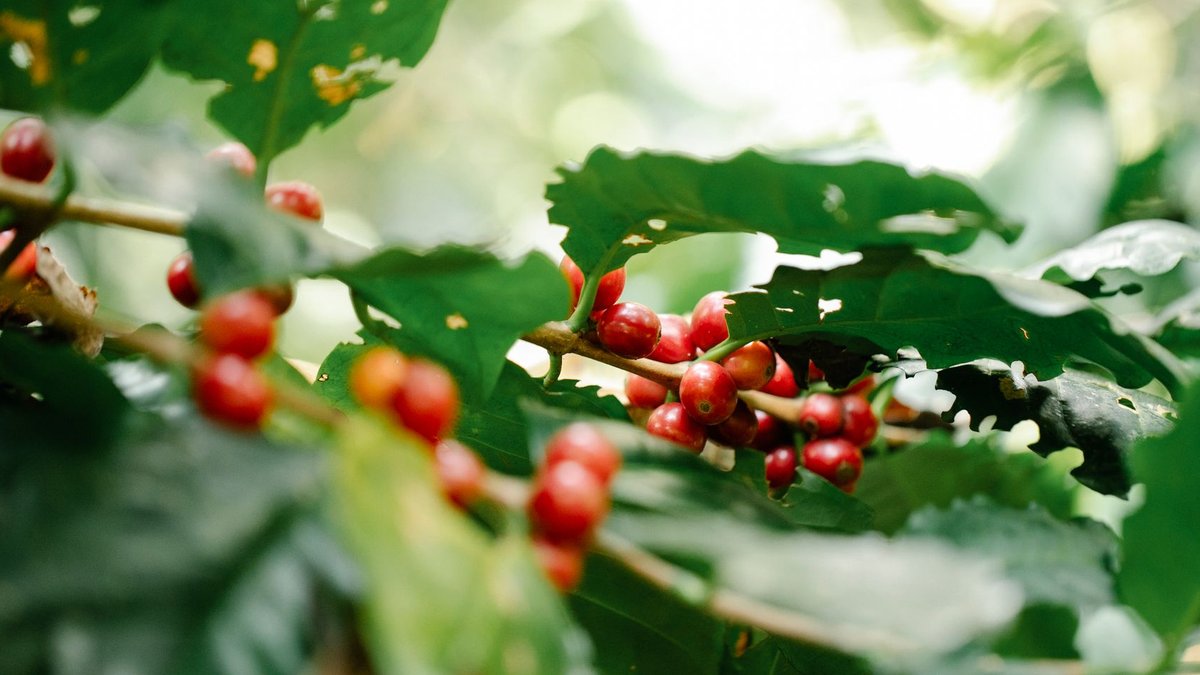
Quitting his corporate job led Rishwin Devaya back to his family’s century-old coffee estate located in the lush hills of Coorg, Karnataka. Devaya founded Riverside Coffee, which now generates ₹2 crore in annual revenue, growing 30% year-over-year. The enterprise began in 1898 when Devaya’s great-great-grandfather first settled on the family’s paddy fields, a legacy that Devaya aims to modernize and expand. He has worked diligently to transform the traditional operation into a contemporary brand.
From Commodity Sales to Direct-to-Consumer
Drawing from his experience in the wine industry, Devaya sought to transform the estate into a branded business rather than selling raw coffee to commodity markets. Inspired by the vineyard-to-bottle model, he envisioned an estate-to-cup approach, overseeing cultivation, processing, roasting, and retail operations. This strategic shift required significant infrastructure and marketing investments, with no guaranteed returns. Devaya’s vision was to create a premium coffee brand that captures the full value of the product from farm to cup.
Devaya said. The brand now sells directly to consumers via online retail, wholesale partnerships, and a café at the estate, alongside visitor experiences that showcase the production process.
Challenges in the Indian Coffee Market
Selling directly to cafés and consumers presents hurdles. Buyers have varying taste preferences, budgets, and brewing methods, making quality consistency difficult to achieve. Devaya explained, “A bean can taste completely different depending on the machine, grind, water, recipe, or brewing method.” To address this, Riverside Coffee educates buyers on coffee varieties, brewing techniques, and flavor profiles. The company also experiments with Excelsa alongside Arabica and Robusta to offer diverse options.
Revenue and Climate Concerns
Approximately 58% of Riverside Coffee’s monthly revenue comes from direct coffee sales. The remaining 42% comes from wholesale, retail, café operations, and estate experiences. Online retail contributes an additional 17% to the overall revenue stream. Devaya emphasized the goal of capturing more value from the coffee itself, ensuring that the enterprise benefits directly from its products. However, climate change poses a growing threat to coffee cultivation, with unpredictable rainfall patterns challenging traditional farming practices.
“Coffee is an extremely sensitive crop. Too much rain can be a problem, too little rain can be a problem. The same applies to heat and sunlight,” Devaya noted. The estate focuses on marketing and distribution rather than expanding physical locations. This approach prioritizes resilience in a volatile market, allowing the company to adapt to changing conditions while maintaining its core operations.
Related Stories
 Market Entry Briefs
Quits Job to Build Brand from Family Coffee Estate
 Market Entry Briefs
Understanding Online and In-Store Currency Exchange Rates in London
 Market Entry Briefs
How to Evaluate Condominium Balcony Spaces for Outdoor Relaxation, Privacy, and Practical Use
 Market Entry Briefs