Fed Holds Rates Steady Amid Rising Inflation
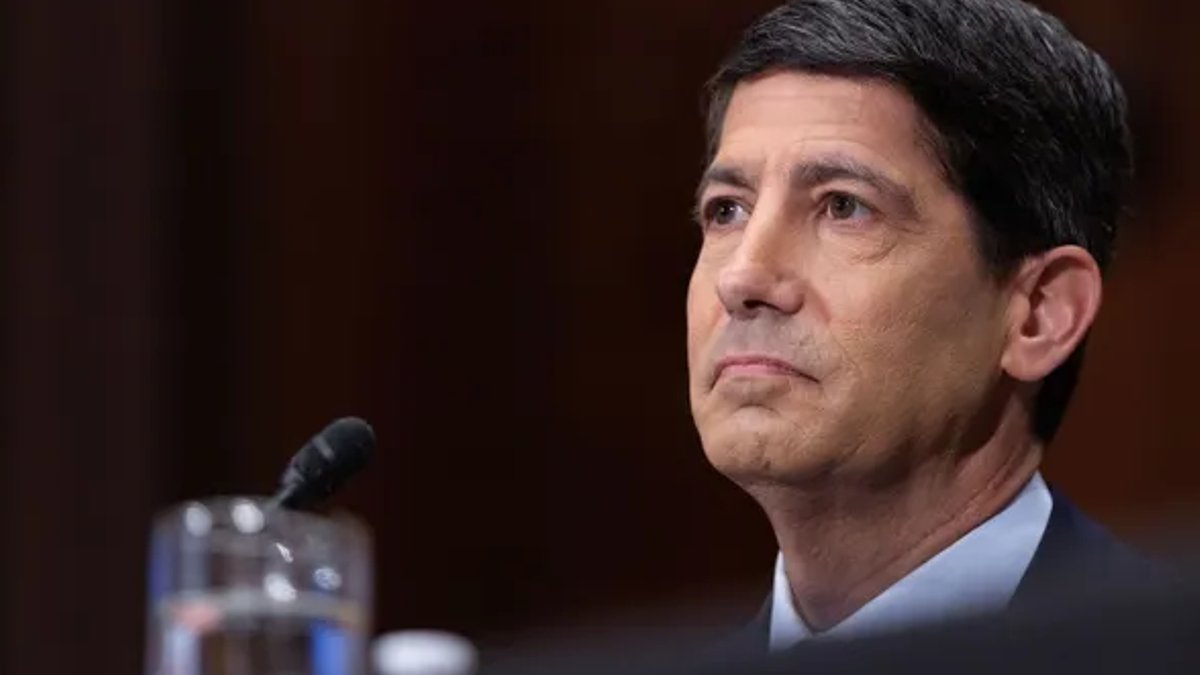
The Federal Reserve on Wednesday held the benchmark interest rate steady despite data showing that inflation last month accelerated further beyond the central bank’s 2% goal. In a 10-2 vote, policymakers decided to collect more data before considering whether to follow up their quarter-point tightening in September with a second increase in the federal funds rate, the Federal Open Market Committee said in a statement. The committee’s next meeting is scheduled for Dec. 8-9.
Inflation Acceleration
Data released showed the consumer price index rose at a 3.7% annual rate in September, higher than expected. The producer price index, which measures costs at the wholesale level, increased 6.3% over the past 12 months, also exceeding forecasts.
Policymakers attributed the acceleration in part to higher energy prices, driven by the U.S.-Israel conflict with Iran, which has pushed Brent crude oil to $115.75 per barrel, an 80% increase over the past year. The persistent inflation has eroded real incomes and strained household budgets, influencing the outlook of voters with the approach of the Nov. 3 midterm elections. Two Fed officials, Governor Lisa Cook and Cleveland Fed President Beth Hammack, dissented in favor of a quarter-point rate increase, citing the risk that inflation could become harder to control without tighter monetary policy.
Economic Activity
The FOMC noted that economic activity is expanding at a strong pace. While uncertainty remains raised owing, in part, to geopolitical developments, domestic spending has been resilient. Productivity growth is strong, and capital investment is robust. Job gains have kept pace with the workforce, and the unemployment rate has changed little.
Read Also: Consumer Confidence Rises as Gas Prices Fall, Inflation Persists
The job market is healthy, with the unemployment rate at 4.2% in September. “On the employment side of the Fed’s dual mandate, conditions are quite positive,” said Fed Chair Kevin Warsh during a post-meeting press conference. “The jobless rate is lower than a year ago and payroll growth is noticeably above last year’s pace.”
Market Reaction
Interest rate futures traders increased their expectations for a December rate hike to 85% from 75% following the decision, according to the CME Group’s FedWatch tool. The federal funds rate currently sits between 3.75% and 4%, and bond markets have already adjusted, pushing the yield on the 10-year Treasury note above 5% since late September.
Warsh acknowledged that financial conditions have begun to tighten, with market participants becoming “somewhat more discerning” in capital allocations. However, he stopped short of declaring that tighter conditions were sufficient to ease the inflation burden. “I’m unwilling and unable to call them tight,” he said, emphasizing the need for further data.
“Inflation remains raised,” the FOMC said, adding that “the accumulation of more information will help the committee determine the policy stance appropriate to ensure a timely return of inflation to the committee’s 2% goal.” “It’s our responsibility to get inflation down,” Warsh said, reiterating the central bank’s commitment to price stability. “Politics had no role in the decision,” Warsh said, referring to the FOMC vote. Central bank officials during their two-day gathering engaged in a heated discussion about inflation, Fed Chair Kevin Warsh said in a post-meeting press conference. “We just came out of a heck of a family fight — serious, sober discussion,” he said.


