Trump says he halted attacks Tehran disputes
President Donald Trump said he halted airstrikes after Iran asked for talks, a claim that Iran’s foreign ministry has publicly rejected.
Trump’s announcement and the disputed diplomatic context
In a social‑media post on Saturday night, the former president wrote that Iran and other Middle Eastern nations had requested a pause in hostilities so that “the perimeters of a deal has been agreed to,” including “the total opening of the Hormuz Strait.” He added that, “based on this request, I have agreed…to cancel the attack, subject to being able to rapidly make a deal.” The statement framed the halt as a gesture for “the future benefit of the world” and the “survival of a successful and prosperous Iran.”
The next day, Trump told reporters that negotiations were slated to begin on Monday, though he did not specify where they would occur or which officials would take part. No further details were released, and the administration has not provided evidence of any formal Iranian request.
Related: Musk Eyes Tesla Merger with SpaceX
Iran’s rebuttal and focus on Oman talks
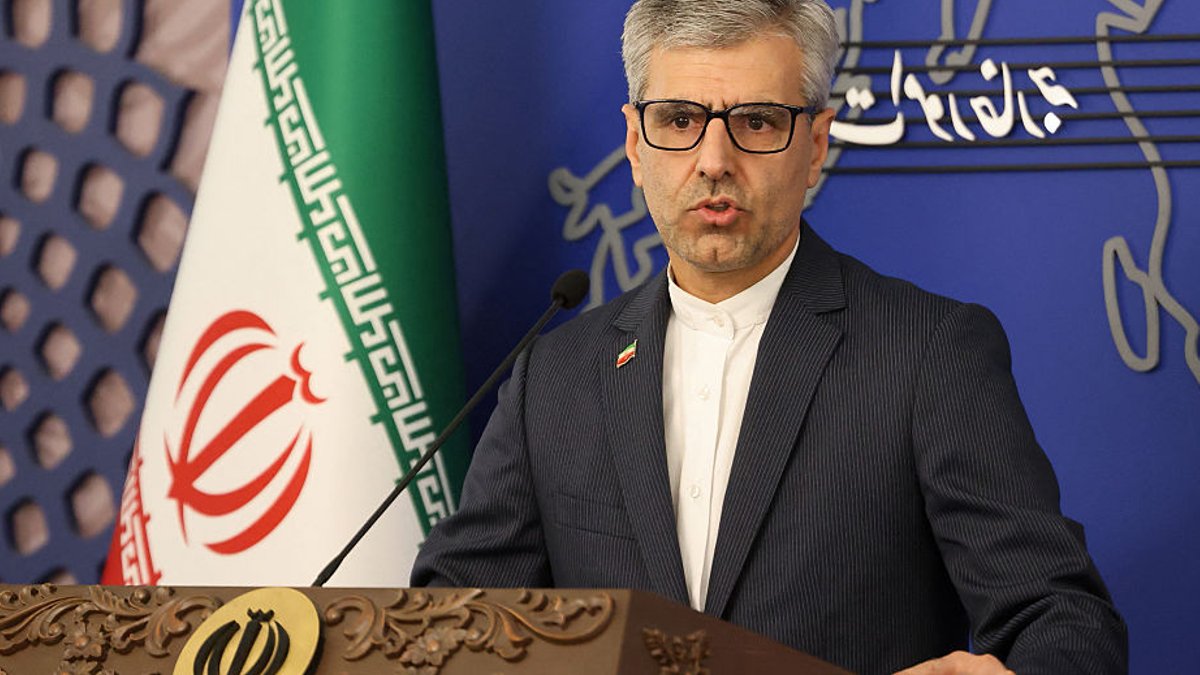
Iranian Foreign Ministry spokesperson Esmaeil Baghaei dismissed the U.S. narrative, saying Tehran is not holding talks with the United States. He clarified that Iran is only discussing navigation through the Strait of Hormuz with Oman, aiming to “determine, at the earliest opportunity and in consultation with Oman, a route that is naturally temporary.” The spokesperson emphasized that the agreement with Oman concerns a single, temporary shipping corridor and does not affect the sovereignty of either country.
Baghaei added that the proposed route would be a single lane rather than two, and that any link between this process and a broader regional de‑escalation “must wait and see.” He also noted that up to five million barrels of crude—about 25 % of pre‑war flow—continue to move through the lane nearer Oman, according to the outlet.
Beyond the navigation issue, the spokesperson accused the Trump administration of breaking previous commitments. He said the U.S. reinstated an “illegal maritime blockade,” revoked authorization for Iranian oil sales, and nullified most of the obligations it had accepted under an earlier memorandum. Baghaei warned that as long as these actions persist, “naturally no significant change will occur in the situation of the Strait of Hormuz.”
Related: Americans Want Big Tech Power Curbed
The contrasting statements illustrate a broader diplomatic impasse. While the United States portrays the strike pause as a response to Iranian overtures, Tehran frames the move as unrelated to any direct dialogue and instead tied to separate negotiations with Oman.
In the middle of these exchanges, it’s worth noting that the Strait of Hormuz remains a chokepoint for global energy markets. Any shift in traffic patterns or legal status can ripple through oil prices, even if the immediate military situation stays static. This context helps explain why both sides are keen to shape the narrative around negotiations.
For now, the situation in the Strait remains fluid. The temporary corridor discussed with Oman could alter shipping routes, but the extent of its impact on overall oil flow is still uncertain. Observers will watch for any further statements from either government that might clarify whether a broader negotiation is indeed underway.

