Understanding the Role of flow dividers and transport pumps in Fluid Systems
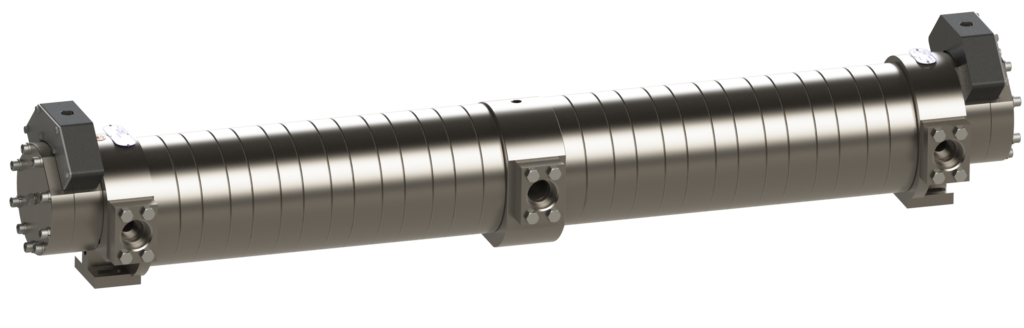
In industrial and commercial fluid management, the reliability of a process often hinges on how precisely liquid is moved and distributed. Whether a system involves moving high-viscosity materials through a factory line or ensuring multiple processes receive a steady, synchronized supply of fluid, the components chosen to handle these tasks are critical. Many facility managers and engineers find that the combination of flow dividers and transport pumps provides the necessary control to maintain consistent operations, but achieving this balance requires a clear understanding of how these mechanisms function together.
The Challenge of Maintaining Fluid Consistency
One of the most common difficulties in complex fluid circuits is maintaining uniform flow rates across multiple branches. If a single pump feeds several different points, variations in pipe length, resistance, or demand can cause one area to receive too much fluid while another experiences a shortage. This imbalance can lead to uneven coating, cooling failures, or even structural strain on the equipment itself.
Achieving a synchronized result without installing a separate pump for every single outlet is a design challenge that many systems face. Relying on simple valves to balance these lines is often ineffective because any change in the downstream pressure of one branch will alter the flow across the entire system. Without a mechanism to actively manage this distribution, operational efficiency tends to drop as the system scales.
How Modern Fluid Control Systems Generally Operate
At the heart of an effective setup is the interplay between the primary pressure source and the distribution hardware. The transport pumps are typically responsible for the initial movement of the fluid from a source—such as a storage tank—to the main delivery line. These pumps are selected based on the volume required and the viscosity of the fluid, aiming to provide a steady, reliable source of pressure.
Once the fluid enters the main delivery header, it encounters the distribution unit. In many high-precision applications, this is where flow dividers become essential. These devices receive a single stream of pressurized fluid and split it into several distinct streams. By mechanically linking the outlet sections, the divider ensures that the volume of fluid exiting each port is proportional, regardless of the pressure fluctuations that might exist in the individual branches.
This mechanism acts as a stabilizer. If one branch of the system encounters higher resistance, the flow divider adjusts its internal components to prevent that branch from being starved, maintaining the desired output across all lines. This creates a predictable environment for the equipment downstream.
Key Factors That Shape Fluid System Outcomes
When designing or upgrading these systems, several considerations influence how well the hardware performs. First is the nature of the fluid itself. Substances with higher viscosity move differently under pressure and may require specific pump designs to avoid cavitation or internal slippage. The temperature of the fluid is also a factor, as it can change the fluid’s thickness and affect the internal clearances of both pumps and dividers.
Another crucial factor is the pressure requirements of the end-use equipment. If the various branches require vastly different pressures to operate, a simple flow divider might struggle to maintain synchronization. In such cases, designers often look for ways to harmonize the requirements of the downstream components before they are connected to the divider.
Maintenance routines also play a significant role in long-term success. Because these systems rely on precise internal tolerances to manage fluid movement, keeping the fluid clean and free of particulate matter is vital. Contaminants can cause accelerated wear on internal seals or cause the divider to stick, which leads to the very imbalances the system was designed to prevent.
Practical Ways to Approach Fluid System Design
For those tasked with managing or installing these systems, the most effective approach starts with a thorough audit of the current requirements. Ask yourself how much variability exists in your downstream demand and whether the current system is struggling to keep up with peak loads. When consulting with a provider, be prepared to share details about the fluid type, the operating temperature ranges, and any specific pressure constraints your equipment requires.
Best Practices for Implementation
When integrating flow dividers or transport pumps into a new or existing facility, consider the following general strategies:
- Standardization of Lines: Whenever possible, ensure that the plumbing from the distribution unit to the end-use points has similar lengths and diameters to keep resistance profiles uniform.
- Filtration Strategy: Implement robust filtration upstream of the distribution components. Protecting these sensitive parts from debris is the most straightforward way to extend the lifespan of the entire system.
- Monitoring and Feedback: Incorporate pressure gauges at key points. Having a visual reference allows staff to detect subtle changes in system health before they manifest as operational failures.
- Component Compatibility: Verify that the seals and internal materials used in the equipment are compatible with the specific chemical makeup of the fluids being transported.
While the temptation might exist to look for the most powerful components available, the focus should always be on the right-sized equipment for the specific application. An oversized pump may lead to unnecessary energy consumption and excessive heat, while an undersized divider might not provide the precision required for high-quality output.
A well-designed fluid circuit is rarely a product of coincidence; it is the result of matching the right movement hardware with the right control hardware. By carefully evaluating how fluid needs to be transported from the source and how it should be partitioned at the point of use, managers can build systems that remain steady and effective for the long term. If your system is currently showing signs of instability or uneven distribution, take the time to review the performance of your current delivery components and consider how an integrated distribution approach might simplify your daily operations.


