How to Evaluate Condominium Balcony Spaces for Outdoor Relaxation, Privacy, and Practical Use
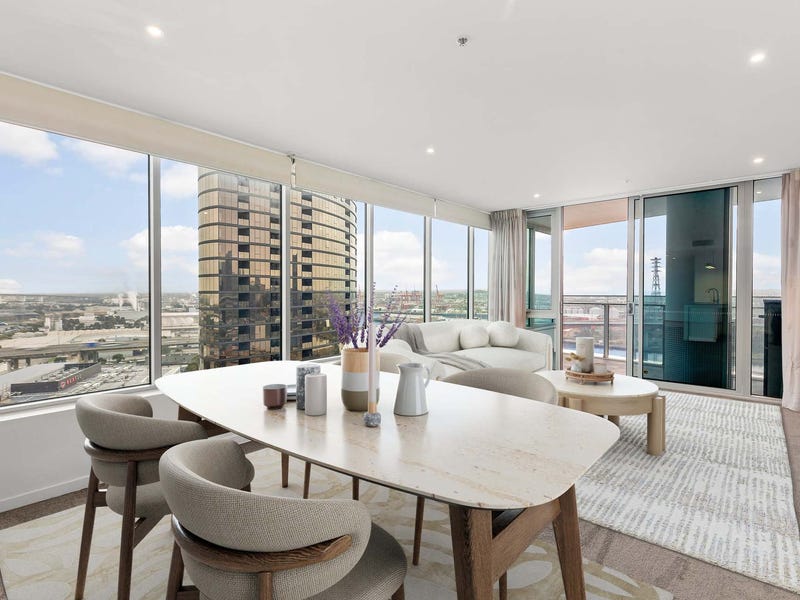
A balcony can extend the usable living environment of an apartment by providing a place to enjoy fresh air, grow suitable plants, or spend quiet time outdoors. When researching Linktown Residences, prospective buyers should examine balcony dimensions, exposure to weather, privacy, drainage, and accessibility before deciding whether an outdoor space will genuinely improve their daily routine. Although a balcony may enhance the appearance of a residential unit, its practical value depends on how comfortably and safely residents can use it.
For buyers exploring Lentor Signature, balcony functionality is another consideration when comparing apartment layouts and available living space. Some households may prefer a compact outdoor area for morning coffee, while others may want room for plants or suitable outdoor seating. Understanding the intended use of the balcony before purchasing can help buyers evaluate whether its size, orientation, and design match their expectations without creating unnecessary maintenance or furnishing expenses.
Assess the Balcony Dimensions and Shape
The first step in evaluating a balcony is understanding its usable dimensions rather than relying solely on the floor area stated in a property listing.
A narrow balcony may be suitable for standing, enjoying the view, or placing a few small planters. A wider space may accommodate a compact table and chairs, depending on its shape and the applicable rules.
When reviewing the floor plan, examine the balcony’s length, width, and relationship to the adjoining room. Consider whether doors, columns, railings, or other architectural features reduce the area available for furniture.
It is also useful to measure the depth of the space. A balcony that is relatively long but narrow may not accommodate conventional outdoor seating comfortably.
Before purchasing furniture, compare its dimensions with the available space and allow sufficient room to enter, exit, and move around safely.
For an existing property, inspect the balcony in person where possible. For a development under construction, use the available drawings and confirm the specified dimensions with the relevant project representatives.
A realistic assessment of usable space can help buyers avoid choosing furniture or accessories that make the balcony difficult to navigate.
Consider the Direction of Sunlight
Sunlight exposure can influence how comfortable a balcony feels at different times of the day.
A balcony receiving direct sunlight for extended periods may be suitable for certain plants but could become uncomfortable for prolonged sitting in Singapore’s warm climate.
Other orientations may provide more shade during particular hours, although surrounding buildings, architectural overhangs, and seasonal conditions can affect the actual experience.
When viewing an existing unit, consider the balcony at different times if practical. A single visit may not reveal its typical exposure throughout the day.
Buyers evaluating an uncompleted development can review the unit’s orientation and available site plans. However, orientation alone cannot establish the exact amount of sunlight reaching the balcony.
The position of neighbouring buildings is another important factor. Nearby structures may provide shade or change the sense of openness.
If outdoor relaxation is a priority, consider whether the space can remain comfortable with appropriate movable shading accessories, where permitted.
Understanding sunlight exposure can help residents choose suitable furniture, plants, and patterns of outdoor use.
Evaluate Rain Protection and Weather Exposure
Singapore’s frequent rainfall makes weather exposure an important part of balcony planning.
A balcony may receive rain even when it has an overhead slab or partial architectural protection. Wind direction and the intensity of rainfall can affect how much water reaches the floor and furniture.
When inspecting an existing property, look for signs of water accumulation, staining, damaged finishes, or deterioration around drainage points.
Ask whether the balcony has any specific restrictions concerning outdoor furniture, screens, or other accessories.
For a new development, review the balcony design and clarify what weather protection is provided. Do not assume that an overhang makes the entire space rainproof.
Outdoor furniture should be selected according to its intended environment and the manufacturer’s care recommendations.
Cushions and fabrics may require storage during wet weather, while certain materials may need periodic cleaning to maintain their appearance.
Residents should also avoid making unauthorised changes to the building exterior or installing permanent covers without the necessary approvals.
A balcony that is planned around realistic weather conditions can remain more convenient throughout the year.
Examine Views and Visual Privacy
The view from a balcony can contribute to the overall residential experience, but it should be evaluated alongside privacy.
Some buyers prefer an open outlook towards greenery or the surrounding landscape. Others may prioritise separation from neighbouring apartments and nearby buildings.
When viewing a unit, observe what can be seen from the balcony and whether nearby windows or balconies face the same area.
The level of privacy may vary depending on the height of the unit, surrounding building positions, and the design of the balcony railing.
For an uncompleted development, review the site plan and surrounding land uses where reliable information is available. However, future construction and landscaping changes may affect views over time.
Do not assume that a currently unobstructed outlook will remain unchanged indefinitely.
If privacy is important, consider how furniture can be arranged to create a more comfortable seating position without blocking access or compromising safety.
Any proposed screening or privacy accessories should comply with the property’s management rules and applicable building requirements.
Balancing views with privacy helps buyers understand whether the balcony will provide the atmosphere they expect.
Determine Whether the Balcony Can Support Outdoor Seating
Outdoor seating can make a balcony more useful for reading, relaxing, or enjoying a quiet drink.
However, the available space should determine the furniture selection rather than the other way around.
Start by measuring the balcony and identifying where a chair or small table could be placed without restricting access to the balcony door.
Foldable chairs may be suitable for smaller spaces because they can be stored when not in use. Compact benches may provide seating while occupying less width than several separate chairs.
Before choosing furniture, consider how the balcony door opens and whether its movement could interfere with the arrangement.
Furniture should also be appropriate for outdoor conditions and secured or stored as recommended by the manufacturer, especially where wind exposure is a concern.
Avoid overcrowding the balcony with decorative objects, large chairs, and storage containers. A clear walking route is more important than filling every available corner.
Buyers should also confirm whether there are restrictions concerning furniture dimensions, outdoor storage, or the use of particular accessories.
A modest, well-arranged seating area may provide greater practical value than a larger collection of items that leaves little room to move.
Explore Balcony Gardening and Plant Selection
A balcony can provide space for gardening, even when residents do not have access to a private yard.
Plants may introduce greenery and create an attractive outdoor setting, but successful balcony gardening requires attention to sunlight, drainage, wind, and maintenance.
Start by considering how much direct sunlight the balcony receives. Different plants have different light requirements, so the selection should reflect the actual conditions.
Container dimensions and weight are also important. Large pots filled with wet soil can become heavy, and balcony loading limits must not be exceeded.
Residents should avoid placing planters where they could fall or create a hazard for people below. Any mounting arrangements should comply with the relevant safety requirements and management rules.
Watering practices deserve attention as well. Excess water should not flow onto neighbouring balconies or shared areas.
For people with busy schedules, low-maintenance plants may be more practical than varieties requiring frequent pruning, watering, or specialised care.
Before establishing a garden, check whether the condominium has rules concerning planting containers, hanging pots, and balcony use.
A carefully planned collection of plants can improve the outdoor atmosphere without creating excessive maintenance or safety concerns.
Understand Drainage and Water Management
Balcony drainage is an important feature that can be overlooked when buyers focus mainly on appearance.
Rainwater and water from permitted cleaning activities need to drain appropriately. Blocked outlets or unsuitable cleaning practices can lead to water accumulation.
When viewing an existing unit, inspect visible drainage points and look for signs of persistent pooling, staining, or deterioration around the floor edges.
Ask the relevant management representatives about any observed problems rather than assuming their cause.
For a new development, review the available specifications and clarify the intended drainage arrangement where necessary.
Residents should avoid blocking drainage outlets with planters, furniture, storage boxes, or other objects.
Cleaning should be carried out in a manner consistent with the property’s rules and applicable requirements. Pouring excessive water across a balcony may affect neighbouring units or shared building elements.
Any suspected waterproofing or drainage issue should be assessed by an appropriately qualified professional.
Understanding these arrangements helps buyers recognise that a functional balcony depends on practical construction details as well as its visible design.
Consider Flooring and Outdoor Surface Maintenance
Balcony flooring is exposed to different conditions from interior flooring, including rain, sunlight, dust, and temperature changes.
When inspecting a completed property, examine the surface for visible cracks, loose components, uneven areas, or deterioration that may require further investigation.
Different finishes have different maintenance requirements. Some surfaces may be easier to clean, while others may require particular products or precautions.
Buyers should also consider how the floor feels underfoot when wet and whether the surface appears appropriate for its intended outdoor use.
For a new development, confirm the specified flooring material and any relevant maintenance guidance.
Avoid assuming that interior flooring products can be used outdoors without considering their suitability for weather exposure.
If decorative floor coverings are desired, verify that they are permitted and will not obstruct drainage or create a tripping hazard.
Regular cleaning can help prevent the accumulation of dust, fallen leaves, and other debris.
Selecting suitable outdoor accessories and following the recommended maintenance practices can help preserve the balcony’s appearance over time.
Evaluate Balcony Access From the Living Room
The connection between a balcony and the interior of an apartment affects how convenient the outdoor space is to use.
A balcony accessed directly from the living room may feel like a natural extension of the main living area. This arrangement can be useful when residents want to move between indoor seating and an outdoor relaxation spot.
However, the location of the balcony door may affect furniture placement inside the living room.
When reviewing the floor plan, consider whether the door interrupts a natural walking route or limits the placement of a sofa, dining table, or television console.
The opening mechanism also matters. Sliding doors and hinged doors require different amounts of clearance.
For an existing property, check that the door operates smoothly and that the visible seals and surrounding finishes appear to be in satisfactory condition.
For a new unit, review the specified door design and consider how curtains or blinds will be arranged.
A well-integrated balcony should be easy to access without compromising the practicality of the adjoining interior space.
Understand Balcony Rules and Permitted Uses
Private balcony space is still subject to applicable building requirements and condominium management rules.
Buyers should not assume that ownership of the apartment allows unrestricted alterations to the balcony.
Restrictions may apply to permanent enclosures, external shades, mounted accessories, visible storage, and modifications that affect the building’s appearance or structure.
Before planning any changes, request the relevant rules and obtain any required approvals.
The use of barbecues, open flames, or particular electrical appliances may also be subject to restrictions. Confirm the applicable arrangements rather than assuming that every outdoor activity is permitted.
Residents should consider how their use of the balcony may affect neighbours, particularly where noise, water drainage, or objects placed near railings are concerned.
If gardening is planned, verify the rules governing planters and the safe placement of containers.
Understanding these requirements before purchasing can prevent disappointment and avoidable expenses.
A practical balcony assessment includes both the physical space and the activities that residents are actually allowed to carry out there.
Assess Noise and the Surrounding Environment
A balcony’s usefulness depends partly on the sounds and activity in its surroundings.
Some residents may appreciate the atmosphere of a lively neighbourhood, while others prefer a quieter outdoor space for reading or relaxation.
When visiting an existing property, listen for traffic, construction, nearby recreational activity, and other sources of noise.
The conditions may vary by time of day, so a single viewing cannot provide a complete picture of the surrounding environment.
For a development that has not been completed, examine the site plan and the location of nearby roads, facilities, and buildings. Avoid drawing definite conclusions about future sound levels from drawings alone.
The height and position of a unit can influence the sounds residents hear, but the effect depends on several factors, including distance, barriers, and building design.
Consider whether the balcony is intended for occasional use or whether you expect to spend substantial time there.
A realistic understanding of the surrounding environment can help buyers decide whether the outdoor space suits their expectations.
Estimate Balcony Furnishing and Maintenance Costs
Creating a comfortable balcony may involve several expenses beyond the property’s purchase price.
These can include outdoor chairs, compact tables, suitable planters, cleaning supplies, and other accessories.
Before buying anything, prepare a list of items that match the balcony’s dimensions and intended purpose.
For a small space, prioritise one or two useful features rather than purchasing numerous accessories that create clutter.
Plant owners should also account for soil, containers, watering equipment, and ongoing plant care.
Outdoor furniture may require occasional cleaning, protective treatment, or replacement depending on the material and environmental exposure.
If the balcony has a visible maintenance issue, seek appropriate professional advice before estimating the cost of repairs.
Buyers should also distinguish between ordinary furnishings and modifications that require approval or specialist installation.
A realistic budget helps ensure that the balcony remains an enjoyable addition without creating unnecessary financial pressure.
Use a Balcony Evaluation Checklist
Before choosing a condominium unit, consider the following questions:
- Is the balcony large enough for your intended activities?
- Does its shape accommodate suitable furniture?
- How much direct sunlight does it receive?
- Is the space exposed to wind and rain?
- Does the outlook provide the desired balance of views and privacy?
- Can chairs and tables be positioned without blocking access?
- Are suitable conditions available for the plants you intend to grow?
- Are drainage outlets accessible and free from visible obstruction?
- Is the flooring in satisfactory condition?
- Does the balcony door operate conveniently?
- What restrictions apply to furniture, gardening, and alterations?
- What furnishing and maintenance costs should be included in your budget?
Record your observations and verify important details through the available plans, specifications, and management information.
Conclusion
A condominium balcony can provide useful outdoor space for relaxation, gardening, and occasional social activities, but its value depends on how comfortably and safely it can be used.
By assessing dimensions, sunlight, weather exposure, privacy, drainage, flooring, and permitted activities, buyers can determine whether a balcony suits their lifestyle.
The best outdoor space is not necessarily the largest. It is one that accommodates realistic activities, remains manageable to maintain, and integrates naturally with the apartment’s interior.
Careful evaluation before purchasing can help residents make better use of their balcony while avoiding impractical furnishing choices and unnecessary modifications.
Related Stories
 Market Entry Briefs
How to Evaluate Condominium Balcony Spaces for Outdoor Relaxation, Privacy, and Practical Use
 Market Entry Briefs
IndiGo suspends Saudi flights over Houthi attack risks
Trump-Putin Diesel Deal Boosts Russian Revenue Amid Ukraine War
 Market Entry Briefs