News Cycle Hurts Political Discourse
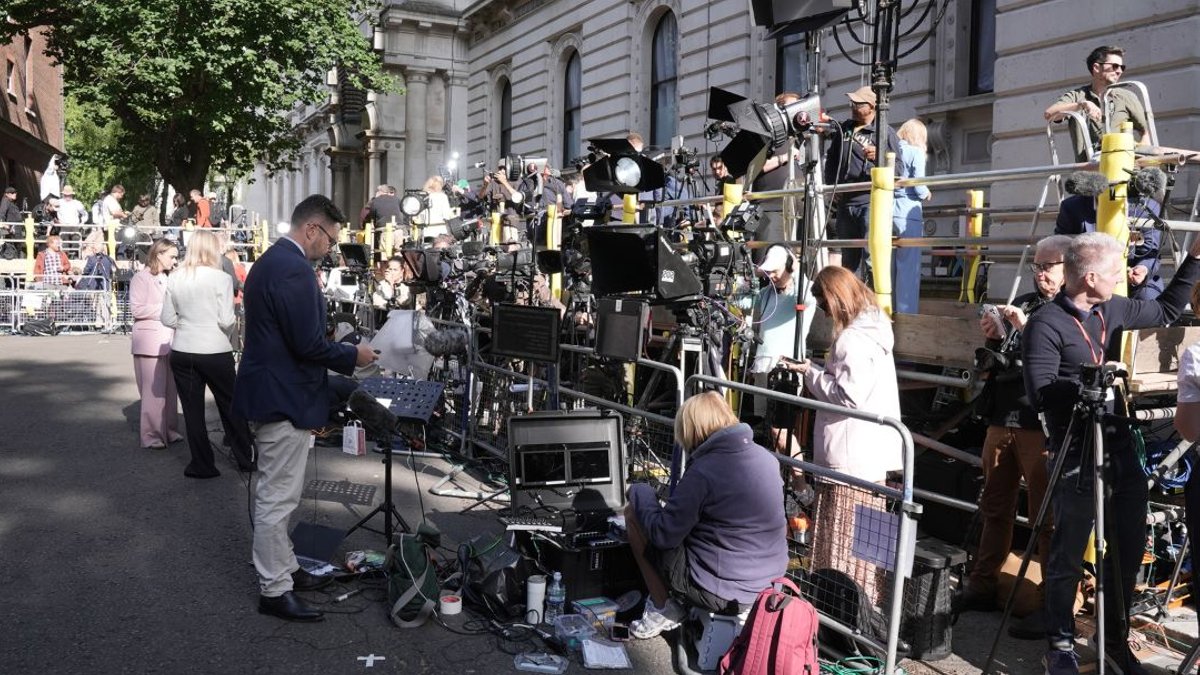
The 24-hour news cycle and social media have altered political discourse, prioritizing quick reactions over thoughtful deliberation, according to Emma Revell. In British politics, screens are filled with updates from weary correspondents and cameramen outside Downing Street. The presence of journalists and camera crews hours ahead of actual news is a sign to the demands of the modern news cycle, which requires instant updates and reactions.
Journalists and camera crews arrive hours ahead of actual news, demanding instant updates. They achieve little, however, besides asking unanswered questions and delivering trivial information. The scene outside Downing Street is often one of chaos, with reporters and cameramen jostling for position and trying to get a scoop. This can lead to a focus on sensationalism rather than substance, with minor stories being blown out of proportion and dominating the headlines.
The Impact of Rolling News
Rolling news has been around for almost 30 years, expanding news coverage. However, combined with social media, it may not be beneficial for politics. It eliminates room for deliberation, forcing politicians to prioritize speedy responses over thoughtful ones. This can result in policies being announced without being fully thought through, leading to potential problems and criticisms down the line.
A speedy response can lead to hasty decisions, later revised and branded as U-turns or betrayals. Legendary journalist Robin Day conducted in-depth interviews with Margaret Thatcher. Today, leaders spend more time on short interviews and clips, potentially harming policymaking. The loss of the long-form interview is a significant one, as it allowed for more subtle and detailed discussions of policy and politics.
The emphasis on quick responses and soundbites can also lead to a lack of depth and analysis in political reporting. Rather than exploring complex issues in detail, reporters may focus on getting a quick quote or reaction from a politician. This can result in a superficial understanding of the issues, rather than a meaningful exploration of the complexities and challenges involved.
Breaking News and Social Media
Social media and rolling news give attention to previously unnoticed issues. While beneficial for investigations, it also means minor slips become headline news, filling time and analyzing insignificant events. The 24-hour news cycle and social media can create a culture of outrage and controversy, where minor issues are blown out of proportion and dominate the headlines.
Related: Singapore Industrial Rents Rise Slightly in Q2 amid Uncertainty
There’s an argument that scrutiny is necessary, but excessive scrutiny can inhibit progress. Politicians need breathing room to develop and test policies without having half-baked ideas leaked and torn apart. The constant scrutiny and pressure to respond quickly can make it difficult for politicians to think critically and develop well-informed policies.
Current feedback mechanisms can lead politicians to prioritize issues that receive immediate attention. More significant policies require time, support, and courage, often lacking due to the relentless media cycle. The focus on short-term gains and quick fixes can lead to a lack of long-term thinking and planning, which is essential for addressing complex and deeply ingrained problems.
A Call for Change
Rolling news and social media are here to stay, but politicians and the public must adapt. To allow politicians to think before speaking, the public might need to give them a moment of silence. The doorstep circus outside Downing Street runs on public attention, after all. By reducing the demand for instant updates and reactions, the public can help create a more thoughtful and reflective political discourse.
As the media setting continues to evolve, it’s essential to consider the impact on politics. Perhaps it’s time to reassess the value of thoughtful deliberation over instant reactions, allowing politicians to develop well-informed policies rather than just responding to the latest news cycle. This could involve a shift towards more in-depth and subtle reporting, as well as a greater emphasis on long-term thinking and planning.
The role of the public in shaping the media setting is also key. By being more discerning and critical in their consumption of news, the public can help create a more thoughtful and reflective political discourse. This could involve seeking out more in-depth and subtle reporting, as well as being more patient and willing to wait for thoughtful and well-informed responses from politicians. By working together, politicians, journalists, and the public can help create a more constructive and meaningful political discourse.


