Singapore Industrial Rents Rise Slightly in Q2 amid Uncertainty
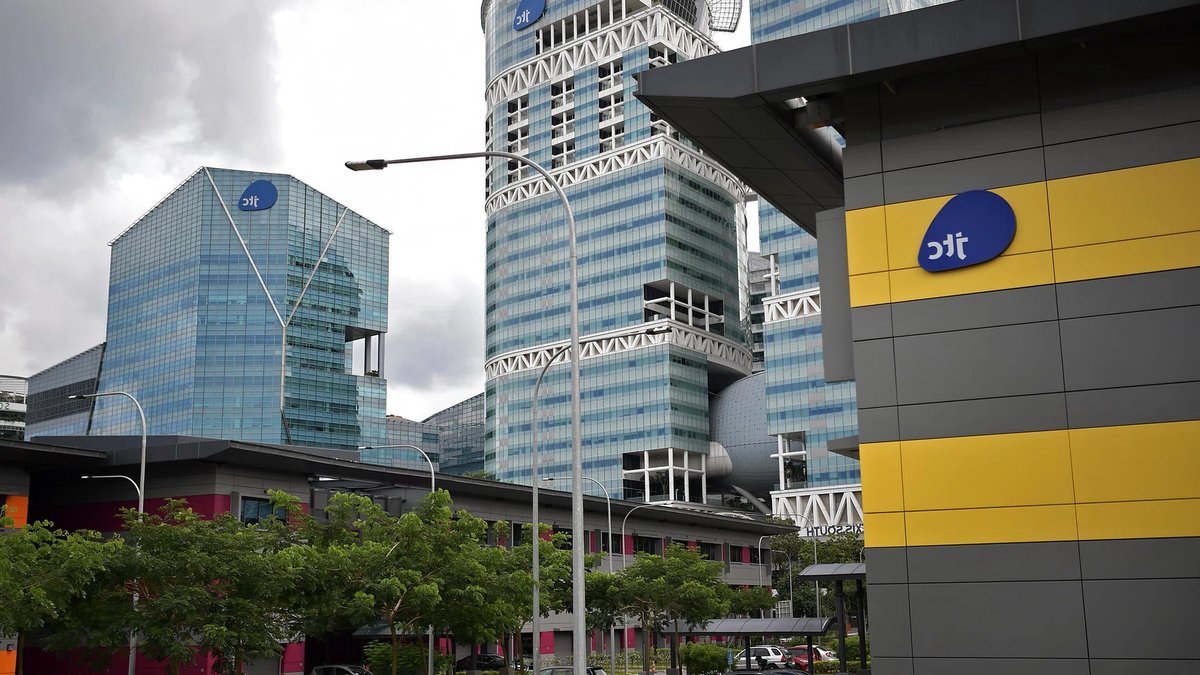
Industrial real estate in Singapore posted modest gains in the second quarter of 2026, according to data released by state developer JTC. Despite persistent macroeconomic uncertainty, overall rents and prices for industrial properties continued to rise. The quarterly market report indicates that the rental index for all industrial space climbed 0.5 percent quarter on quarter and 2.1 percent year on year. Prices followed a similar upward trajectory, gaining 0.6 percent on a quarterly basis and 3.8 percent annually.
Most property segments experienced rental growth between 0.5 and 0.7 percent during the period. Single-user and multiple-user factory spaces led this growth, expanding 0.7 percent and 0.6 percent respectively. Warehouse rents also rose by 0.5 percent. Business parks bucked this trend, seeing a slight decline of 0.1 percent on the quarter, though they remained 0.4 percent higher year on year.
Senior research analyst Ong Shiao Xian at JLL noted that despite headwinds from rising freight costs tied to Middle East conflicts, demand remained stable. The continued appetite for high-specification logistics and warehouse facilities across key growth sectors underpinned this stability.
Occupancy and supply outlook
Overall occupancy improved marginally to 89.1 percent, up 0.2 percentage points from the previous quarter. The increase was driven by the business park and multiple-user factory segments. Business park occupancy jumped 1.2 percentage points to 77.9 percent, while multiple-user factory occupancy rose 0.3 percentage point to 90.5 percent.
Related: Indonesia unveils tax breaks for finance hub
Transaction volumes for industrial properties, estimated based on caveats lodged, fell 8.4 percent year on year. Rental transaction volume dropped 4.8 percent compared to the previous year. JTC allocated a total of 46,100 square metres of ready-built facility space to industrialists during the quarter. Of these returns, 29,600 square metres was high-rise space and 54,500 square metres was land-based factory space. About 66 percent of these returns were attributed to natural lease expiries or companies consolidating operations.
Ong observed that supply constraints persisted in Q2 2026, with only one new completion recorded—Tiong Nam Logistics’ owner-occupied facility at 25 Senoko Loop. Looking ahead, about 400,000 square metres of new industrial space is slated for completion in the second half of 2026, with 53 percent comprising single-user factory space and 47 percent warehouses.
Between 2027 and 2030, the market can expect an average annual supply of 1 million square metres, compared to the previous three years when supply and demand averaged around 700,000 square metres and 600,000 square metres respectively. [1]


