Qatar buys $1bn in US gas after Hormuz disruption
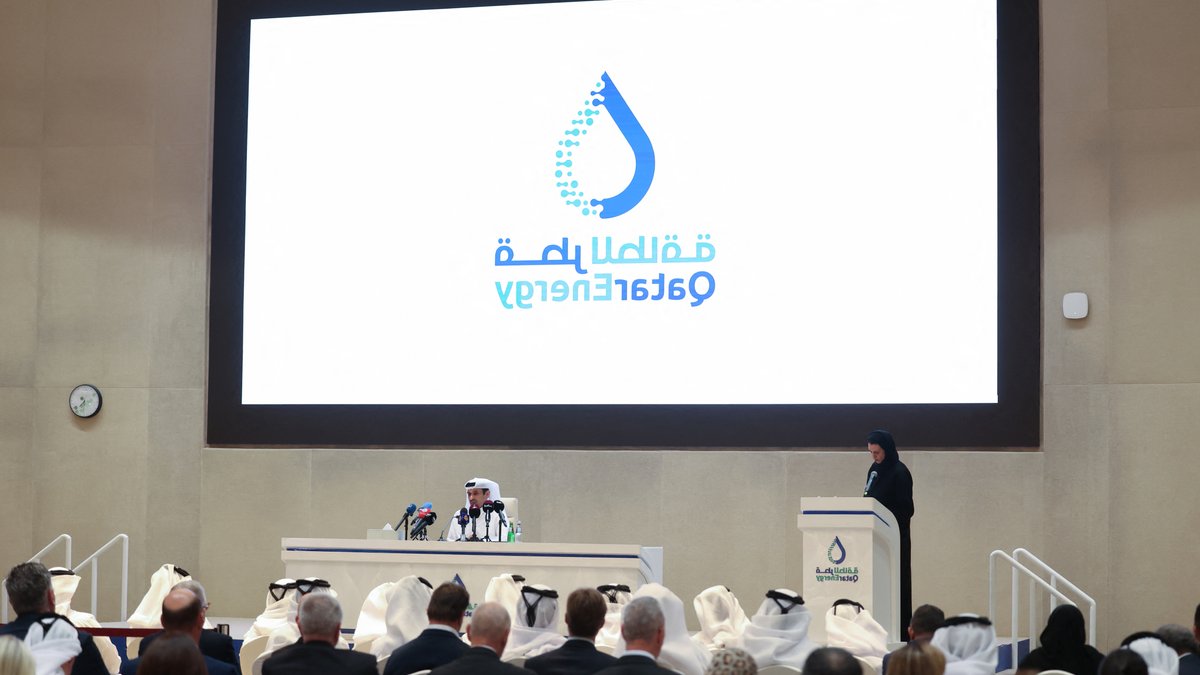
QatarEnergy purchased approximately $1 billion in U.S. liquefied natural gas this year after Iran-related disruptions closed the Strait of Hormuz, blocking its own exports to key Asian markets.
The state-owned company bought 33 spot LNG cargoes, a sharp increase from just four the previous year, to meet commitments with customers in South Korea, Japan, Taiwan, India, and Bangladesh. Those familiar with the matter said the emergency shipments prevented supply gaps while QatarEnergy invoked force majeure, a legal clause allowing suspension of delivery obligations during unforeseen crises.
U.S. gas filled the gap
Most replacement cargoes came from the U.S., where export capacity has grown rapidly in recent years. Venture Global LNG provided some shipments, while others were sourced from existing customers. Venture Global did not respond to requests for comment.
Shipping data from Kpler shows 28 of the 33 cargoes have already arrived. The remaining shipments are headed to South Korea, Taiwan, and India. Typically, 80% of Qatar’s LNG exports go to Asia, where utilities and industries rely on consistent deliveries.
Geopolitical tensions have repeatedly altered LNG trade patterns. After Russia’s invasion of Ukraine, European demand for U.S. gas rose sharply, speeding up an existing shift. Now, conflicts in the Middle East are testing the market’s adaptability again, with Qatar, a major supplier, suddenly needing imports.
Spot market steps in
The purchases demonstrate the increasing importance of the spot LNG market, where cargoes are traded outside long-term contracts. While most gas still moves under fixed agreements, traders now use spot deals to address short-term shortages. This flexibility has grown more valuable as weather, shipping delays, and regional conflicts create instability.
For Asian importers, securing backup supplies remains essential. Japan, South Korea, and Taiwan are among the world’s largest LNG consumers, while India and Bangladesh are increasing imports to support growing electricity needs. The International Energy Agency has pointed out that dependence on gas leaves these countries exposed to disruptions.
Qatar is expanding its own production through the North Field project, which aims to boost the country’s LNG output to 142 million tonnes per year by the end of the decade. The U.S. is also adding capacity, with new terminals expected to begin operations soon.
The recent transactions reveal how quickly global LNG trade can adjust when a critical chokepoint like the Strait of Hormuz faces disruption. The market’s connections have helped maintain supply, but the situation shows how easily that stability can be threatened. Governments and companies are now racing to build more resilient systems to handle future risks.

