Former hockey player turns doctor to rebuild lives
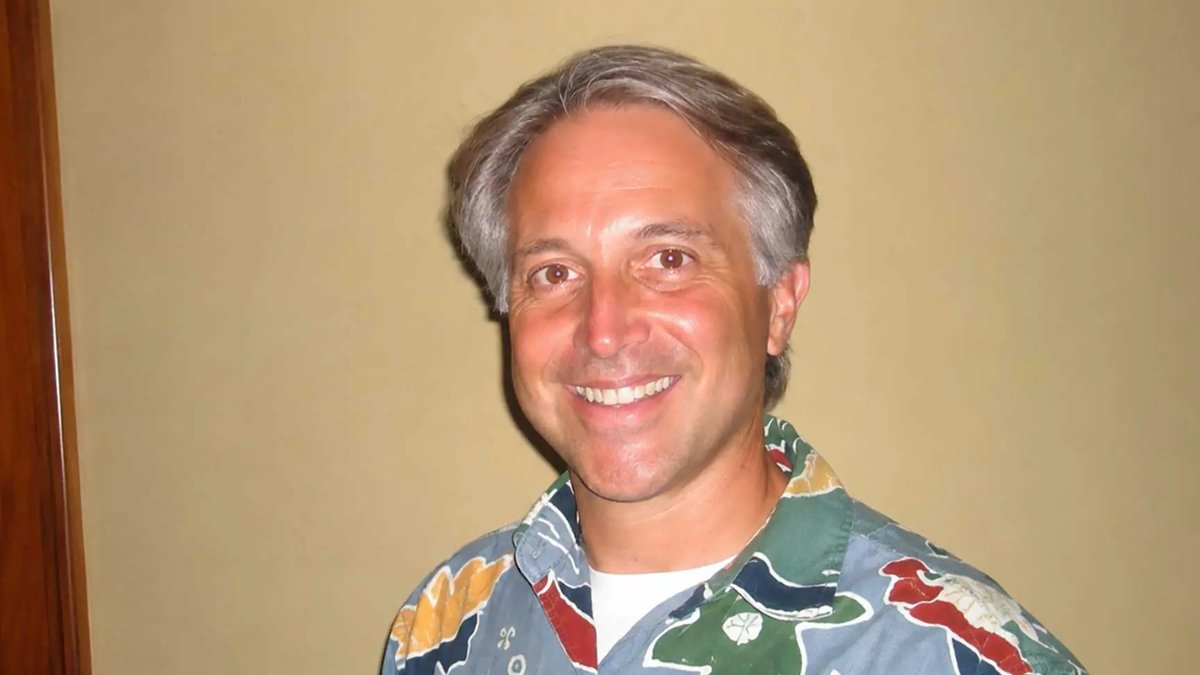
Edward Witt’s career defied the usual trajectory for a doctor. While most physicians follow a path through medical school, residency, and clinical practice, his journey took unexpected turns—from hockey rinks to rock concerts, all while specializing in rebuilding lives. Growing up in Erie, Pennsylvania, Witt developed a deep connection to hockey long before it became a career. He began skating at age five, progressed through travel teams, and earned a college scholarship after playing in Junior A leagues.
The sport’s demands—discipline, teamwork, and resilience—left a lasting impression. “Talent matters, but preparation matters just as much,” he later reflected. “You have to show up, practise, work with other people, and keep going after setbacks.” These lessons carried over seamlessly into medicine, where long hours, complex cases, and the need for focus under pressure mirrored the intensity of athletic competition.
After completing medical school and a Family Practice residency, Witt spent nearly three decades working across hospitals and clinics, including Huntsville Hospital, Crestwood Hospital, and Maryvale Hospital in Phoenix. His career shifted dramatically when he entered clinic ownership, first at Southcare Clinic and later at the Recovery Center. This transition changed his perspective on patient care fundamentally. “Customer service became very important,” he said. “People remember how you speak to them, whether they feel respected, and whether they believe you genuinely care.” His clinics were designed not just for treatment but to make patients feel seen, a principle that became especially vital in addiction recovery, where trust and consistency could determine whether someone relapsed or stabilized.
Rebuilding lives beyond medical treatment
The fragility of early sobriety became clear through his work. Patients often arrived at their lowest points, struggling to reconstruct their lives. Witt’s role extended beyond medical treatment; it required staying connected, offering steady support, and treating individuals with dignity. “Addiction does not fit one stereotype,” he observed. “Every person comes in with a different history, different challenges, and different reasons for wanting to recover.” Listening carefully and maintaining consistency proved more impactful than any clinical intervention.
Beyond medicine, Witt’s passions for hockey and music shaped his approach in ways few might expect. In Huntsville, he earned the nickname “Rock Doc” by providing medical care to touring musicians and performers. This role allowed him to merge his medical expertise with a lifelong love of music, which had begun in childhood. “They were patients first, and the goal was to take care of them properly so they could get back to doing their work.” His dual interests, sports and music, also influenced how he engaged with patients.
Hockey taught him to perform under pressure, while music exposed him to creative, often unconventional lives. “Those experiences made me more comfortable meeting people where they were. I never wanted someone to feel that they had to fit a certain mould before I would listen to them or take them seriously.” In addiction medicine, where judgment could create distance, that openness proved essential.
Read Also: Buyers Need Independent Quality Control Overseas
Career defined by relationships and resilience
Witt’s career was never solely about medical achievements but about the relationships he built. Some patients overcame difficult periods with support and moved forward. Others, like the musicians he treated, relied on his care to resume their professional lives. The connections he formed with staff, colleagues, athletes, and patients endured long after clinical work concluded.
Now retired, Witt remains involved with the Recovery Center, occasionally stepping in when needed. His daily life now balances hockey, music, golf, and trail biking, alongside time with his wife, Tatjana. Yet the core principles guiding his career, trust, consistency, and dignity, remain unchanged. What has shifted is the pace. After decades of long hours and immediate demands, retirement offers reflection on the experiences that shaped him. The relationships he cultivated mattered most, and the years had passed quickly.
Hockey and faith shaped his discipline
The Catholic schools Witt attended for 12 years, including an all-boys preparatory academy, played a key role in his development. The environment emphasized discipline, community, and service, values that aligned with hockey’s structure and later the demands of medicine. His time there reinforced habits of accountability and respect for others, traits he carried into patient care. The schools also introduced mentors who stressed preparation over innate talent, a lesson he applied to both sports and medicine.
His early hockey career progressed rapidly. By age five, he was on the ice, and by his teenage years, he had earned MVP honors on a travel team before advancing to Junior A play. The physical and mental rigor of competitive hockey, balancing travel schedules, maintaining fitness, and adapting to opponents, mirrored the adaptability required in medicine. His college scholarship further cemented his reputation as a player who combined skill with work ethic. Even after retiring from competitive play, he remained active in the sport, transitioning into coaching and staying involved with local leagues. Hockey became more than personal fulfillment; it served as a metaphor for resilience, a quality he observed in patients rebuilding their lives.
Witt’s approach to addiction recovery differed sharply from traditional models. Instead of focusing solely on medical protocols, he prioritized stability, helping patients establish routines, connect with support networks, and address the emotional challenges of early sobriety. His clinics implemented structured follow-ups for life skills, such as job training or financial counseling, aiming to tackle the root causes of relapse. Whether securing housing, repairing relationships, or providing a consistent presence during isolation, the goal was to create an environment where patients felt supported rather than scrutinized.
His dual roles as a physician and a “Rock Doc” demonstrated how medicine could extend beyond traditional settings. Touring musicians and performers depended on his care not just for injuries or illnesses but for the logistical challenges of life on the road, time zone adjustments, sleep deprivation, and the physical strain of performances. Whether treating a guitarist with tendonitis, a drummer with a concussion, or a vocalist with vocal cord strain, Witt approached each case with the same clinical precision and understanding of their professional pressures. Some artists returned year after year, drawn not only to his medical expertise but to the steady, nonjudgmental approach they had come to expect.


