Tour de France has vast untapped potential
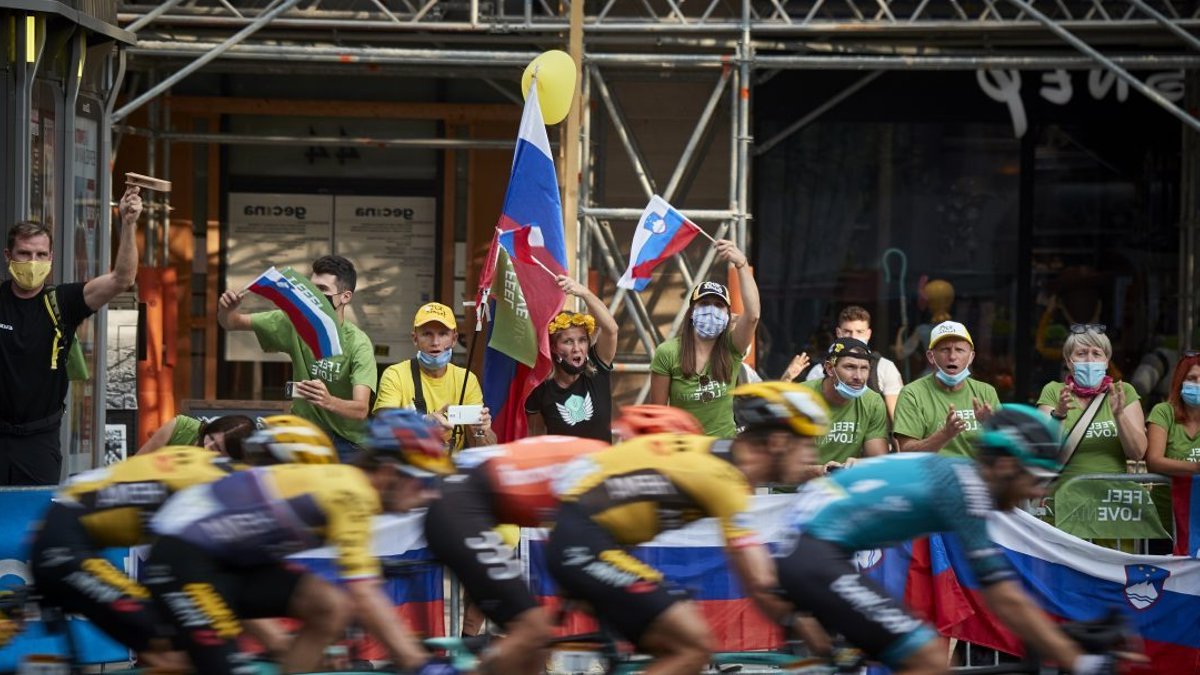
The Tour de France is the most attended annual sporting event, with over 12 million people attending roadside every year for the historic three-week race. Its UK audience is growing too, with the 2026 broadcast attaining 41 per cent more viewers than the previous year.
Despite that scale, many brands still underestimate the breadth of commercial opportunities cycling offers.
Sponsorship Routes
The Tour de France is defined by three distinct routes into sponsorship: backing a team, partnering with an individual rider, or becoming part of the event itself.
Around 90 per cent of a team’s funding comes from sponsorship, so naming rights partnerships remain key to the commercial model.
The former Team Sky – which has since become Ineos Grenadiers after a sale to Sir Jim Ratcliffe in 2020 – demonstrated the power of this model with its black jerseys becoming synonymous with British cycling’s golden era.
Partnerships with Individual Riders
Richard Mille’s deal with Tadej Pogacar is one example of a partnership with an individual rider, with the highly televised Tour de France providing hours of exposure with the product naturally in view.
Related: AI warfare poses bigger threat to humanity
Similarly, Red Bull’s individual sponsorship of Tom Pidcock – a two-time Olympic gold medallist in mountain biking – shows how brands can leverage the star power of certain riders who have expertise and profile across multiple disciplines.
The third route into sponsorship comes from the event itself, with nearly half of roadside spectators saying they come primarily for the publicity caravan.
Publicity Caravan
The publicity caravan arrives up to two hours before the race with 170 vehicles, 36 brands and 18 million giveaways, transforming the roadside into a festival.
When television cameras sweep across the route, thousands of spectators are wearing Skoda’s green hats and E.Leclerc’s polkadot jerseys, giving those brands hours of organic exposure throughout the broadcast.
Hats and jerseys become keepsakes, worn at future races, displayed at home or brought out year after year.
There is an often-forgotten fourth option; sponsorship through a national federation, like Lloyds’s current partnership with British Cycling.
Federation sponsorships have been integral to the growth of the sport in this country, helping to provide the framework and structure for success both on the track and at the Tour de France as with Bradley Wiggins, Mark Cavendish and Geraint Thomas.
Related: Korean stocks trade at cheapest ever
Untapped Opportunities
Brands that understand the individual stories within teams can amplify them to great effect, as seen with Torstein Træen’s remarkable comeback from testicular cancer to wear the yellow jersey.
There are also unique opportunities for newer, novel activations that sit outside the normal partnership structures, such as Skoda’s red director’s car, a twenty-year partnership that emerged because the car manufacturer realised the race director could have a sponsorship for himself.
For brands with gusto, the ultimate Tour value lies in combining two or more of the three sponsorship routes to create an interconnected brand ecosystem.
A well-designed blend of rider sponsorships and publicity merch can represent the brand naturally in different ways throughout the Tour and truly fuse its name with the event.
While the Tour de France’s sponsorship system is well-defined and commercially successful, there remains unharnessed potential.
Partnerships can become broader.
Related Stories
 Venture Capital Watch
Anthropic Reports $16.8 Billion Q3 Revenue, Claims Profitability
 Venture Capital Watch
Nepal floods leave ten missing as bridges collapse
 Venture Capital Watch
Series A Teams Use 90-Day Cycles to Build AI Products
 Venture Capital Watch