Strait of Hormuz tensions raise global oil stakes
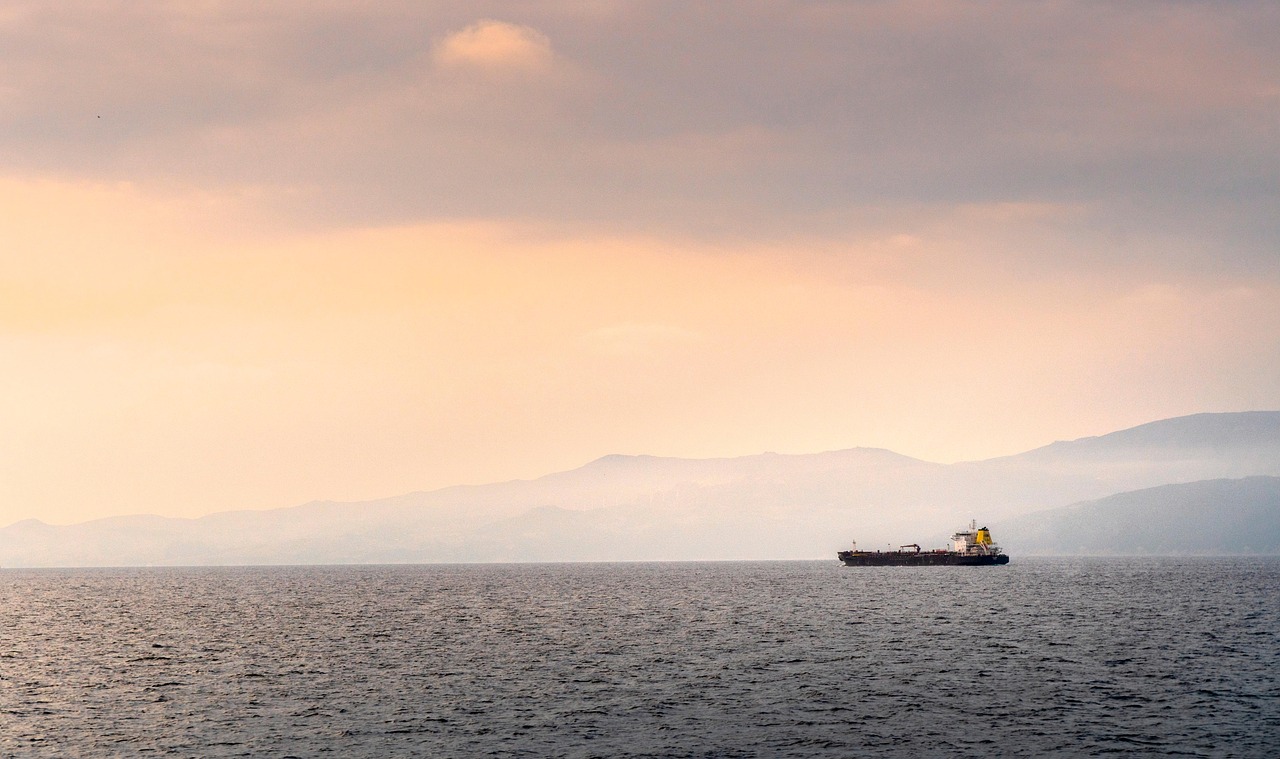
A partial reopening of the Strait of Hormuz may be on the horizon, but whether a lasting regional settlement is any closer remains unanswered. The narrow waterway, through which about a fifth of the world’s oil passes, sits at the center of a complex geopolitical standoff that involves the United States, Iran, and a web of global energy customers.
According to analysts who have reviewed Trump administration strategy, the president has set three main objectives in the Persian Gulf. The problem is that he can achieve at most two of them at any given time. The calculus forces a trade-off that no amount of diplomatic posturing can easily resolve.
Trump’s Persian Gulf Goals and the Trade-Off
The three goals, as described in background briefings and policy papers, include reining in Iran’s nuclear ambitions, maintaining freedom of navigation through the Strait of Hormuz, and avoiding a costly and prolonged military entanglement in the region. Each objective pulls against the others.
For example, a hardline posture on Iran’s nuclear program increases the likelihood of retaliatory strikes or harassment of commercial shipping. That directly threatens the second goal. At the same time, a heavy naval presence to protect shipping raises the risk of accidental confrontation, undermining the third goal.
Related: Seatrium Sees 28 Billion in New Projects
The prevailing narrative in Washington and among Gulf state officials is that the United States has lost some control over the situation. That view is not entirely wrong.
Iran’s New Leverage
Iran has acquired a card it did not previously hold: the credible ability to disrupt shipping in the Strait of Hormuz. This is not just a theoretical threat. Iranian fast-attack craft, mines, and anti-ship missiles have been deployed in ways that make a temporary closure or partial blockage feasible.
The shift in the balance of power is real. In the past, Iran could only threaten to close the strait. Now it can selectively harass vessels or impose delays without triggering a full-scale military response. This gives Tehran diplomatic leverage that it didn’t have a decade ago.
Nearly half of Asia-Pacific’s wealthy expect a market crash or correction and plan to rotate to cash, according to a recent study. That kind of caution ripples through energy markets, where the Hormuz risk premium already adds a few dollars to every barrel of crude.
Related: A Buyer’s Guide to Refuse Trucks for Sale
The Price of a Partial Reopening
A partial reopening of the strait might come through informal understandings rather than a formal treaty. The waterway is only 21 miles wide at its narrowest point, making any arrangement fragile. Iran might allow tanker traffic to resume under certain conditions, such as limits on Western naval patrols or guarantees that Iranian oil exports won’t be blocked.
But that would require the US to concede something on one of its three objectives. If Washington accepts a limited Iranian monitoring regime, it might sacrifice full freedom of navigation. If it pushes too hard on inspections, it risks scuttling the entire reopening.
There is no clean solution here. The US, Iran, and Gulf states like Saudi Arabia and the United Arab Emirates all have interests that overlap in some places and clash in others. The price of Hormuz stability may simply be accepting that none of these players will get everything they want.
Beyond the Strait
The wider regional settlement remains elusive. Even if shipping resumes normally in the coming weeks, the underlying disputes over Iran’s nuclear program, missile development, and regional influence are unresolved. The partial reopening is a tactical fix, not a strategic breakthrough.
Related: China curbs threaten Hong Kong investments
Some analysts argue that the real price of Hormuz is not measured in oil dollars or insurance premiums, but in the erosion of trust between the US and its Gulf allies. Several Gulf states have already begun diversifying their energy transit routes, building pipelines that bypass the strait. That is a long-term hedge, not a solution for today.
The Strait of Hormuz has been a chokepoint for decades, but the current situation is different. Iran’s new capability to threaten shipping without triggering all-out war changes the bargaining table. The US can no longer assume its naval dominance alone guarantees safe passage.
In the end, Trump’s three objectives are not just hard to achieve simultaneously; they are structurally incompatible under current conditions. A partial reopening might be the best outcome available, but it will come with costs that are not yet fully priced in.


