Iran launches missile US and Saudi Arabia retaliate
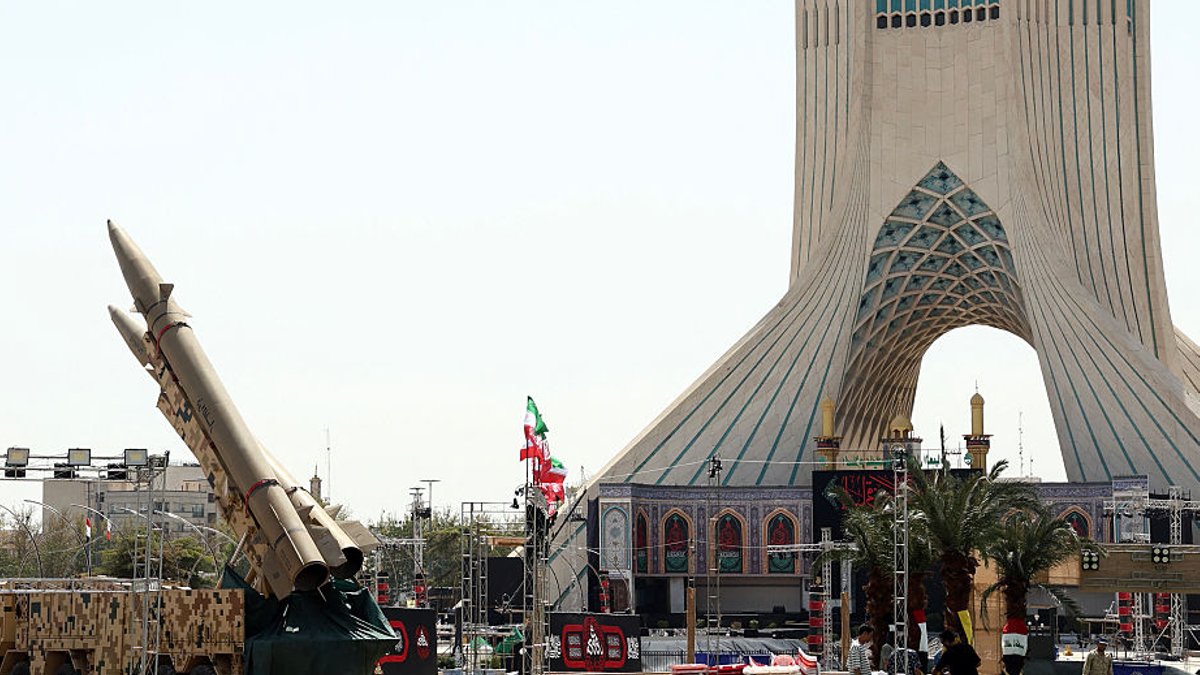
Iran launched a surprise attack against a U.S. base in Jordan on Tuesday, ending a brief lull in fighting with Washington and prompting a swift response from the United States and Saudi Arabia.
Missile launch and immediate U.S. response
The U.S. Central Command said the Islamic Revolutionary Guard Corps fired multiple ballistic missiles from Iran in an attempted surprise attack on U.S. forces stationed in the Middle East. According to the statement, all Iranian missiles were successfully intercepted, and U.S. forces remain vigilant and at a high state of readiness.
The same source noted that Washington did not directly address the attack on its bases nor comment on any anticipated retaliation.
Later on Tuesday, U.S. forces fired on Iran‑backed militias in Iraq, coordinating with Saudi Arabia. The joint strikes were described as retaliation for recent attacks against Riyadh. Local groups reported that at least 20 fighters were killed in the operations.
Related: Gen Z protests oust India’s education minister
Oil market reaction and broader geopolitical context
Following the missile launch, oil prices rose sharply. Brent crude, the international benchmark, climbed more than 4% to above $85.50 per barrel by 8:08 a.m. ET.
The U.S. benchmark West Texas Intermediate increased 4.74%, reaching $83.03 at the same time. Analysts linked the price surge to heightened uncertainty surrounding the region’s security environment.
President Donald Trump previously claimed that the United States and Iran were engaged in “very deep talks.” A separate report suggested Iranian officials feel comfortable with the current state of the war and believe they hold leverage over the U.S. administration. The report detailed Tehran’s desire for Washington’s recognition of its control over the Strait of Hormuz, a demand the United States has not yet met.
Iranian Foreign Minister Abbas Araghchi held talks with Omani and Saudi counterparts about future navigation through the strait, indicating Tehran’s ongoing efforts to solidify its influence over the vital waterway.
Related: Top US prosecutor accepts Adani case drop
Senior officials in the Trump administration have expressed that the United States’ economic pressure campaign may cause more damage to Iran than a few weeks of military strikes. An article cited U.S. officials noting that mounting financial pressure is pushing Iran into one of its most severe economic crises in years, creating shortages, straining government finances and weakening the country’s ability to fund its military and regional allies.
For residents of the Gulf region, the escalation could mean tighter controls on shipping routes and higher fuel costs, as the strait’s stability directly affects global trade. The interplay of military actions and economic sanctions creates a volatile environment that ordinary citizens must manage daily.
While the immediate missile exchange was contained, the incident highlighted the fragile balance of power in the Middle East.
Tensions remain high.
Related Stories
 Venture Capital Watch
Banks remain open on Saturday, except in Tripura
 Venture Capital Watch
Anthropic Reports $16.8 Billion Q3 Revenue, Claims Profitability
 Venture Capital Watch
Nepal floods leave ten missing as bridges collapse
 Venture Capital Watch